Compliments, Comments and Complaints 
In-home and community support you can rely on.
Get started
Learn more about our youth and family services
Get started
Learn more about our domestic violence services
Get started

A bold vision 

In the late 1980s, Elders from St John’s Lutheran Church at Miami and St Mark’s Lutheran Church at Currumbin noticed significant population growth in the southern Gold Coast region.  

Inspired by the success of Trinity Lutheran Church and Trinity Lutheran College in Ashmore, they saw an opportunity to better serve their parish by uniting their congregations to establish a new Lutheran church and school in the region. That, combined with the success of the Lutheran school and congregation at Trinity, Southport, led them to believe that their parish could be better served by combining congregations to establish a new church attached to a school. 

Driven by a bold vision for an interconnected community of education and faith, they set about finding a Pastor. Pastor Colin Helbig shared their dream, and with the founding members, their vision took on a remarkable shape: a place where school, church and aged care would come together as one community “from the cradle to the grave”.  

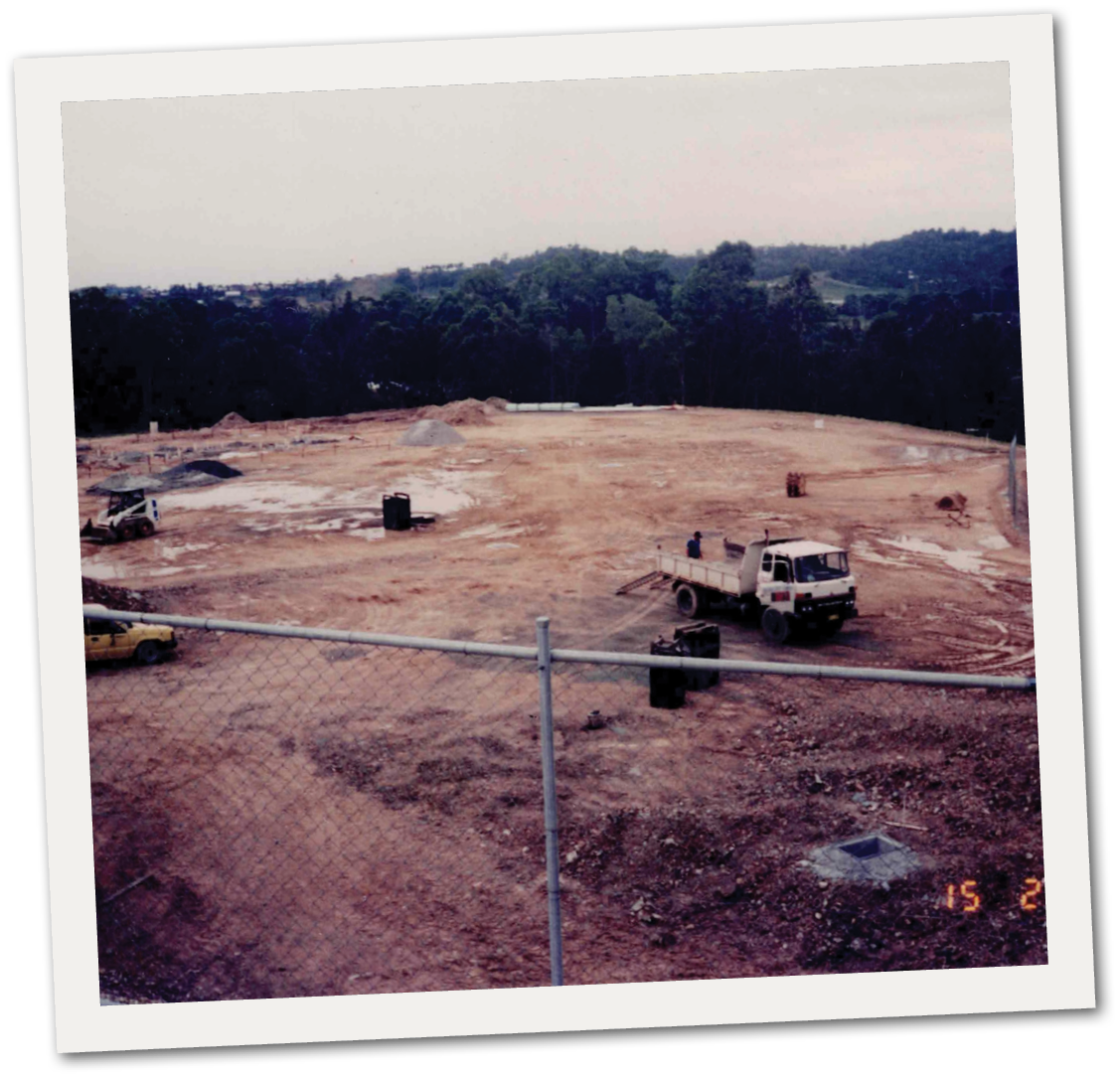
After a thorough search, land was found to cater for the church and school, which included 30 acres of natural bushland off Tallebudgera Creek Road. The proposed purchase – among other things – was discussed at a special parish meeting on Sunday, 15 September 1991 at St John’s Lutheran Church in Miami. The decision was made to pursue the site with potential for a broad range of services, including childcare, school, aged care, and a worship centre. 

At that meeting, the project name St Andrews was approved – honouring the Andrews family, long-time owners of much of the land in the region and founders of Tallebudgera’s first Presbyterian church. But more importantly, it was the disciple Andrew who invited others to “come and see Jesus” (John 1:46) – a Gospel invitation the parish hoped to extend near and far. 

A contract was signed for the Tallebudgera Creek Road property in October 1991. Gold Coast land was very expensive, but as the Elders later told Synod: “God himself opened the door by allowing us to purchase the block for $21,000 per acre, in an area where neighbouring land is on the market for $65–100,000 per acre!” 

An additional two acres of land were later sourced from local resident Eric Stevens to make extra room for the aged care service. The Coolibah space at St Andrews today is named after Eric’s property. Eric, a former Uniting Church minister, was married to Beatrice Andrews, whose family had owned the original land purchased for the project. Eric remained connected to his land by becoming one of the first residents in the St Andrews independent living units, living there until his passing in 2000.   

More hard work lay ahead. A local parish School Feasibility Committee had already worked hard since the latter part of 1988. An Aged Care Task Force had also functioned since December 1990. These two committees were combined in 1991 to become what would now be known as St Andrews Development Committee. 

Download a pdf booklet of St Andrews Origin Stories

Download PDF

A whole of life ministry

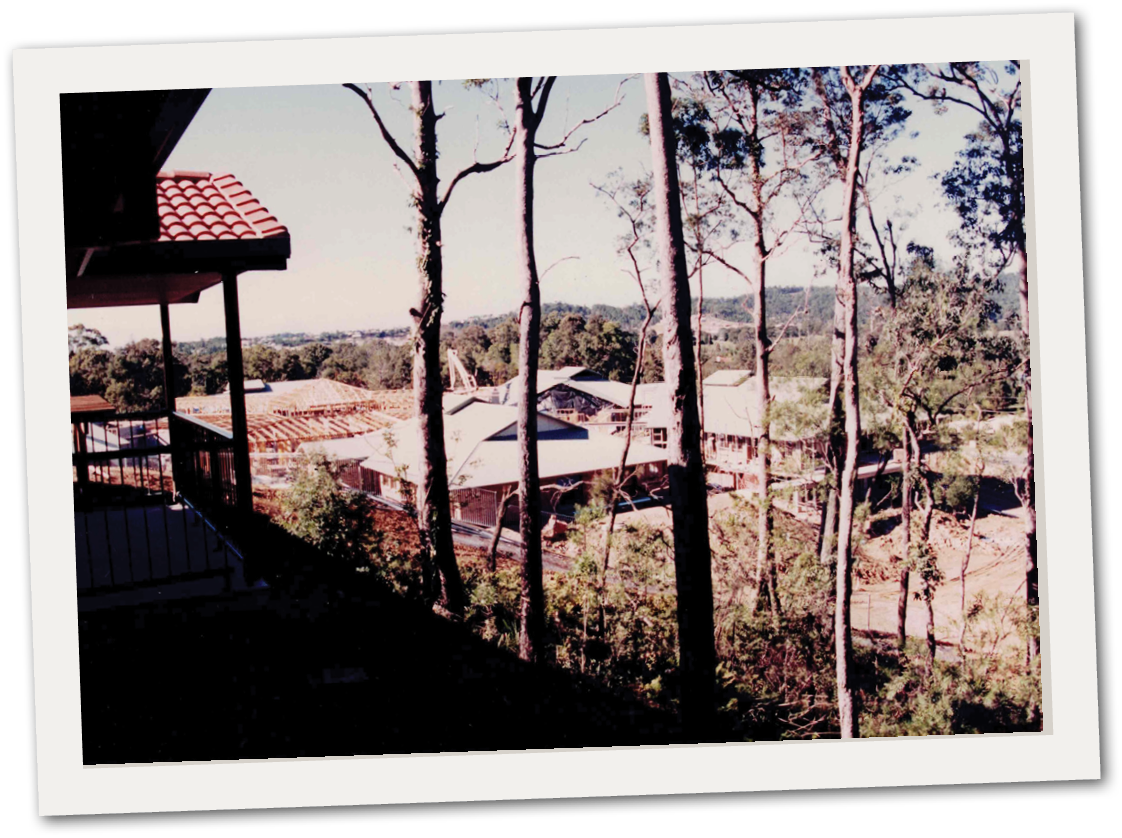
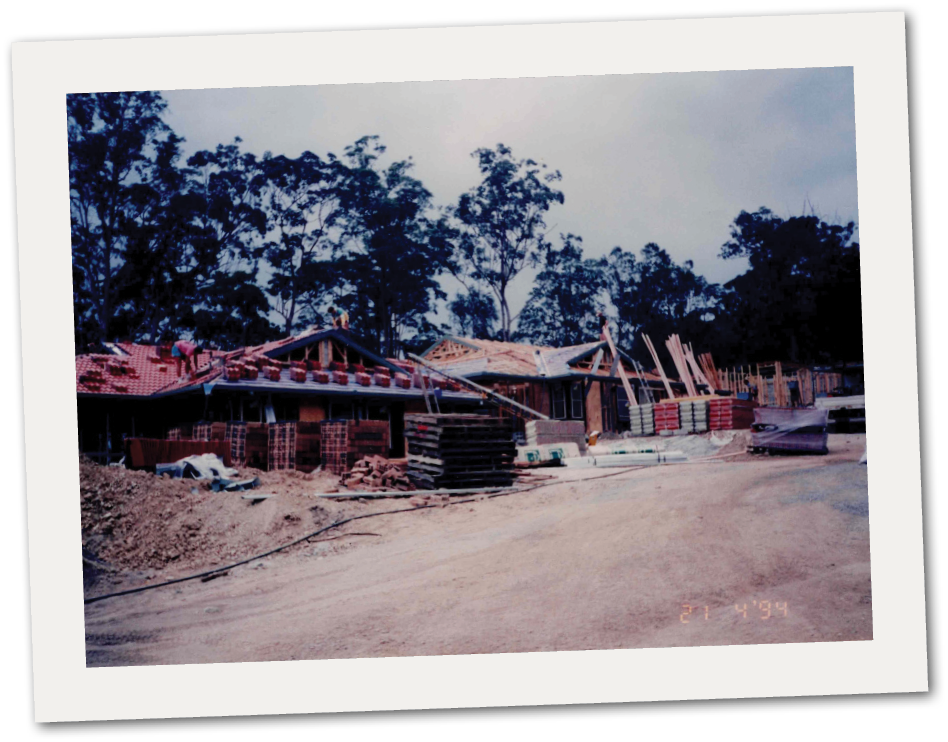
Steep terrain, lack of money and utilities, and local opposition to the build all presented significant challenges to overcome. The initial design for the aged care service featuring cabins scattered throughout the bush, had to be rethought and the plan was revised to incorporate a central facility with three houses at each end. The rooms were built large enough to meet future aged care needs, meaning the service has stood the test of time as residents increasingly require a higher level of care.    

Despite the hurdles, the vision and commitment of the founding members of St Andrews never waned. In 1993, the Currumbin chapel was moved to the new site as rededicated as St Andrews chapel at Tallebudgera. Rumour has it that the church fell off the transport truck at least once! 

Also in 1993, St Andrews Lutheran College was opened. The aged care service then welcomed its first residents in November the following year, with its six house names relating to flowers (Camellia and Waratah), trees (Gumnut and Acacia), and Christian symbols (Rainbow and Dove). The new St Andrews worship centre opened in 1997. 

Once the site was up and running, a leadership group fondly known as the “six pack” was formed. Made up of the heads and chairs of the three sites, they met regularly to coordinate and strengthen connections between the church, aged care, and college. This model fostered a spirit of unity and shared purpose that carried the community forward. A Committee of Service was also in place until the transition to Lutheran Community Care. 

Other than refurbishments and upgrades, the layout and capacity of the residential aged care community remain the same today – all separate but under one roof. Over the years extensive recreational facilities have be added, including a swimming pool, cinema, library, and garden relaxation areas.

A bridge to the community

The creation of St Andrews was not without its challenges. Information was assembled to present the project to the District and to Synod for approval. The dream was shared: 

“We believe that the Church must not only share the Good News of salvation through Jesus Christ, but also be a supporting and caring community, meeting the needs of the whole family, from preschool to old age. It is our belief and desire that St Andrews should be a bridge into the community, by which people of all ages will come to see and partake of what we are offering, and stay to worship Jesus.” 

“St Andrews will be a unique development, providing an exciting opportunity for the Church to minister in a united, caring and far-reaching way into a community which is lonely, insecure and hurting, and hungry for stability and love. We realise the project is a big one. We understand that there will be challenges. We are committed to the task. We believe that this is God’s will for us at this time in this area. We see that unifying and rationalising our congregation’s ministry and property into St Andrews will bring great blessings, in uniting our own people in a way which has not been possible before this time with our two separate worship centres, and also in providing for the community a focal point for our ministry.” 

Vision for mission: St Andrews is, above all, about the mission of the church. Responding to human hurts and needs with the love of Jesus is our challenge. God is opening the door of opportunity to us now. A bold vision of mission is called for, and hearts willing to respond in faith and trust.

Synod was asked to support the project and approve a borrowing limit of $1.5 million, initially for the development of an aged care hostel for 50 residents, and a school for 150 children in pre-school to year six. The cost of the hostel would be partly offset by a government grant. 

The overall concept also included a worship centre, schooling through to year 12, a childcare centre, and additional features to support the ministry. 

Without the support of Pastor Rob Erickson at Synod, the project would likely not have happened. Challenged on how they would fund the development, Pastor Erickson said “If God wants this, money won’t be a problem.” Many came to believe St Andrews must have been part of God’s plan, as the project was approved.

Standing the test of time

Pastor Colin Helbig and the founding members of St Andrews Lutheran Church dared to imagine a place where people could be known and supported through every season of life. And with faith and persistence, they helped bring it into being. But it was never just about buildings – it was always about people. And it still is; those who helped build the place and community, those who have worked there, and those who have called it home.  

 Heartfelt stories have shaped the identity of St Andrews. There are many stories of friendships and romance … even a wedding! One such story is that of Michael and Yvonne Atkinson, who met at a dance in Coolangatta and spent a life of love and travel together. Reunited in aged care after Yvonne’s Alzheimer’s diagnosis, they celebrated their 65th wedding anniversary surrounded by staff and fellow residents. As Michael gently guided Yvonne back to their room after an outing, he was heard to say, “It’s good to be home.” 

Syd and Sandra Marshall also spend every day together at St Andrews. Syd travels from the retirement living units to be with his sweetheart of 61 years at St Andrews Aged Care. And Elmore and Zena met and married at St Andrews – their love story made the nightly news nationally! 

Today, St Andrews Aged Care is home to generations of residents, families, and staff. It’s a place of welcome, laughter, comfort and prayer.  

‘By trusting, praying, and seeking God’s will, we can achieve through him what man alone cannot. It is our belief that St Andrews will reach many people. We pray that by God’s Holy Spirit, St Andrews may also be the means by which many will be nurtured to grow in faith and commitment to Christ’. From supplementary information to the Development Proposal  

The transition to Lutheran Community Care

In the late 1990s, increasingly complex funding and regulation requirements saw the Lutheran Church of Australia Queensland District establish an umbrella organisation – Lutheran Community Care – to manage the district’s community services and aged care operations, including St Andrews.

Having worked so hard and with such devotion to build the St Andrews Aged Care Village, many in the Management Committee, congregation, staff, volunteer and supporter network found this transition difficult. With the benefit of hindsight, we now see many aspects of this transition could have been better handled, resourced and supported. What didn’t change however was St Andrews’ vision and commitment.

St Andrews today – part of the Lutheran Services family

Lutheran Community Care was renamed Lutheran Services in 2017. As the operator of St Andrews Aged Care today, Lutheran Services recognises the considerable achievements and challenges of the past. We thank the many congregation and committee members, volunteers and supporters for their grace, devotion and hard work. Their efforts and endeavours continue to benefit St Andrews’ many residents, clients and staff today.

Lutheran Services was established to ensure the ministry of care envisaged and established by our founders would continue to thrive, so more people could experience Christ’s love through their services. We hope this Origin Story project will help to record, share and celebrate the incredible journey and spirit that built St Andrews Aged Care and continue to make it such a special place.

By its 30th anniversary in 2024, St Andrews had grown into a thriving service, with 72 residential aged care beds and a community of retirement living residents in 24 independent living units. It’s also a great place to work and a respected and valued employer of 78 qualified staff. Dedicated volunteers also contribute to the love and care at St Andrews.

Lutheran Services - There for you

As managers of St Andrews Aged Care and many other aged and community services today, Lutheran Services is one of Queensland’s longest established and most diverse not-for-profit providers of human services. As part of the Lutheran Church of Australia Queensland District, we draw from, express and add to the life and mission of the Church. We have grown out of the dreams and hard work of our founding Lutheran congregations. This Origin Story is another wonderful example. 

Lutheran Services draws on the rich Lutheran tradition of care for the individual, family and community. We provide services, support and accommodation for older people, young people, families, people living with disability or mental health concerns, and people experiencing domestic and family violence. We serve metropolitan, regional and rural communities from more than 20 sites throughout Queensland – from Tallebudgera to Biloela. 

While these sites and services are very different in where they are and what they do, they all have one thing in common: they began with a local congregation working together to meet a need and serve their region and community. These endeavours were often the first services of their kind in their region. Some were the first of their kind in Queensland. Today, they are integral and highly respected contributors to their communities and industries, providing vital care, support, employment and leadership.

Timeline

1980s–90s
  • The vision for the school was born and search for land began.
  • The vision was expanded to include an aged care service.
  • “Six pack” leadership committee established.
1991
  • St Andrews Development Committee established. It was a combination of the local parish School Feasibility Committee and Aged Care Task Force.
  • 15 September – special parish meeting approved land purchase, range of services, financing support, and name for the project.
  • 3 October – contract signed for land on Tallebudgera Creek Road, Tallebudgera.
1992
  • Land contract settled.
  • May – concept presented to Synod.
1993
  • St Andrews Lutheran College opened.
  • The Currumbin chapel was moved to the St Andrews site.
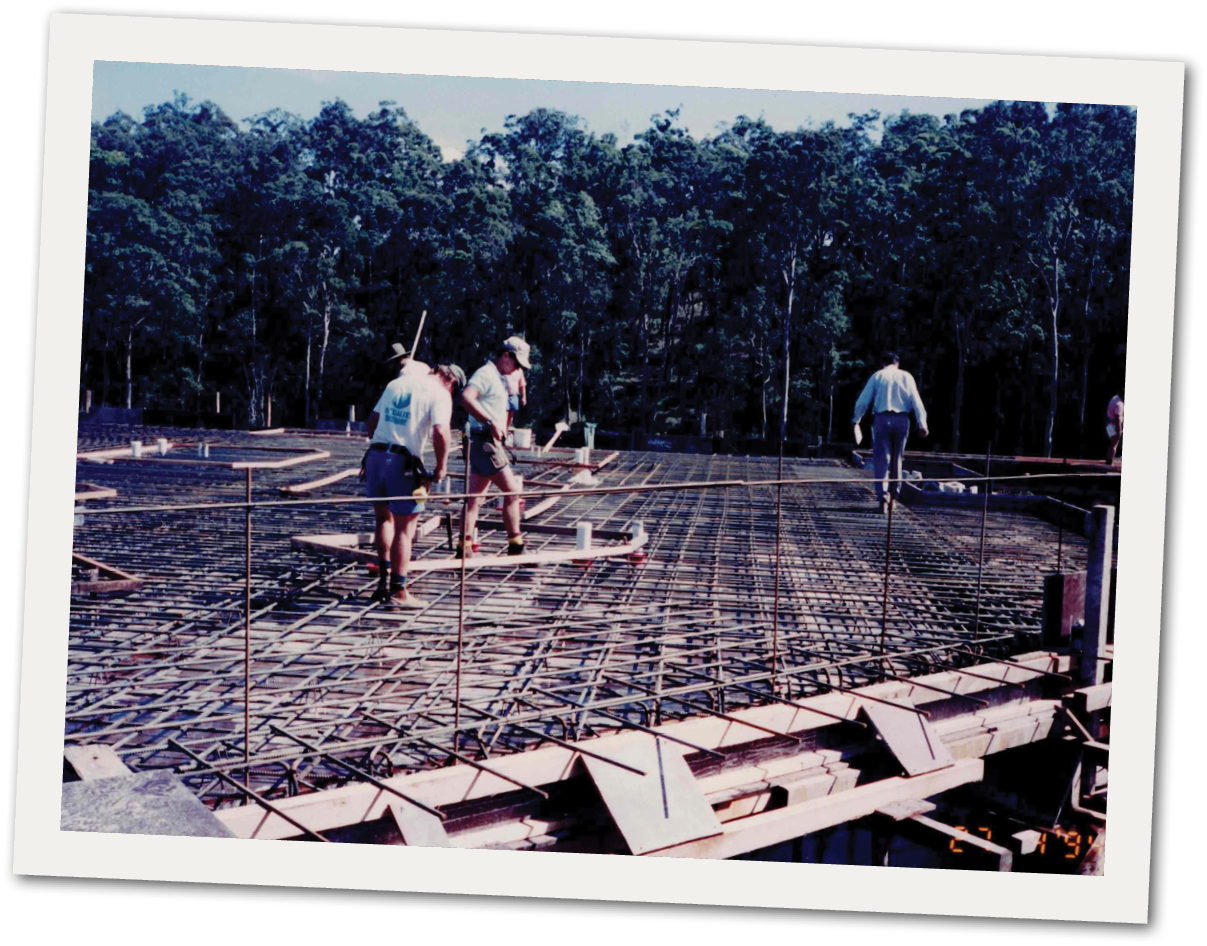
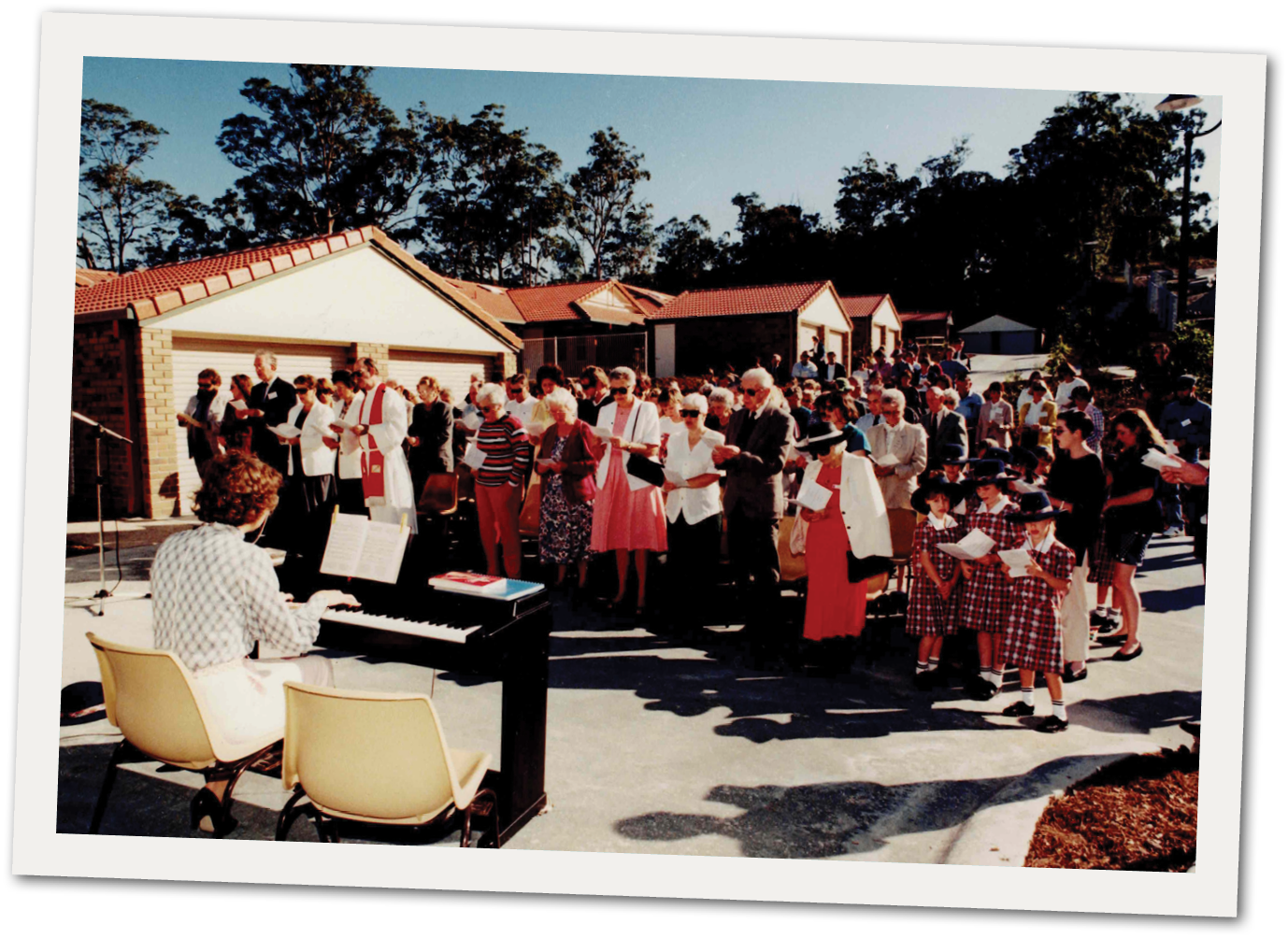
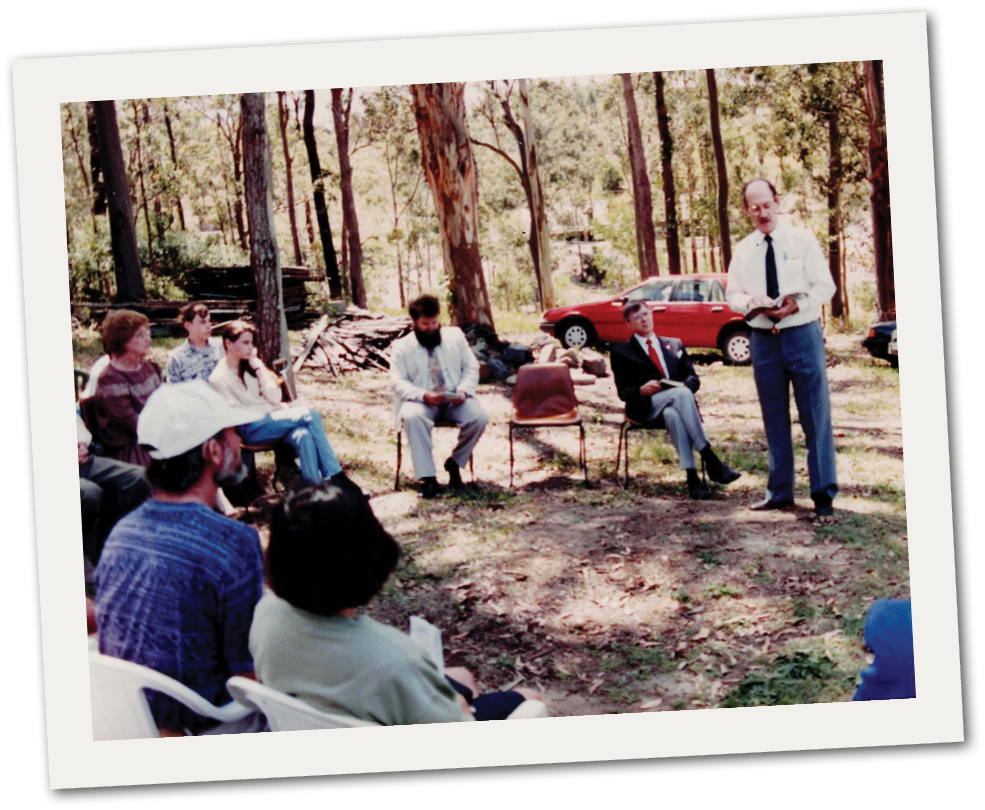
  • 3 October – aged care site dedication and groundbreaking ceremony.
1994
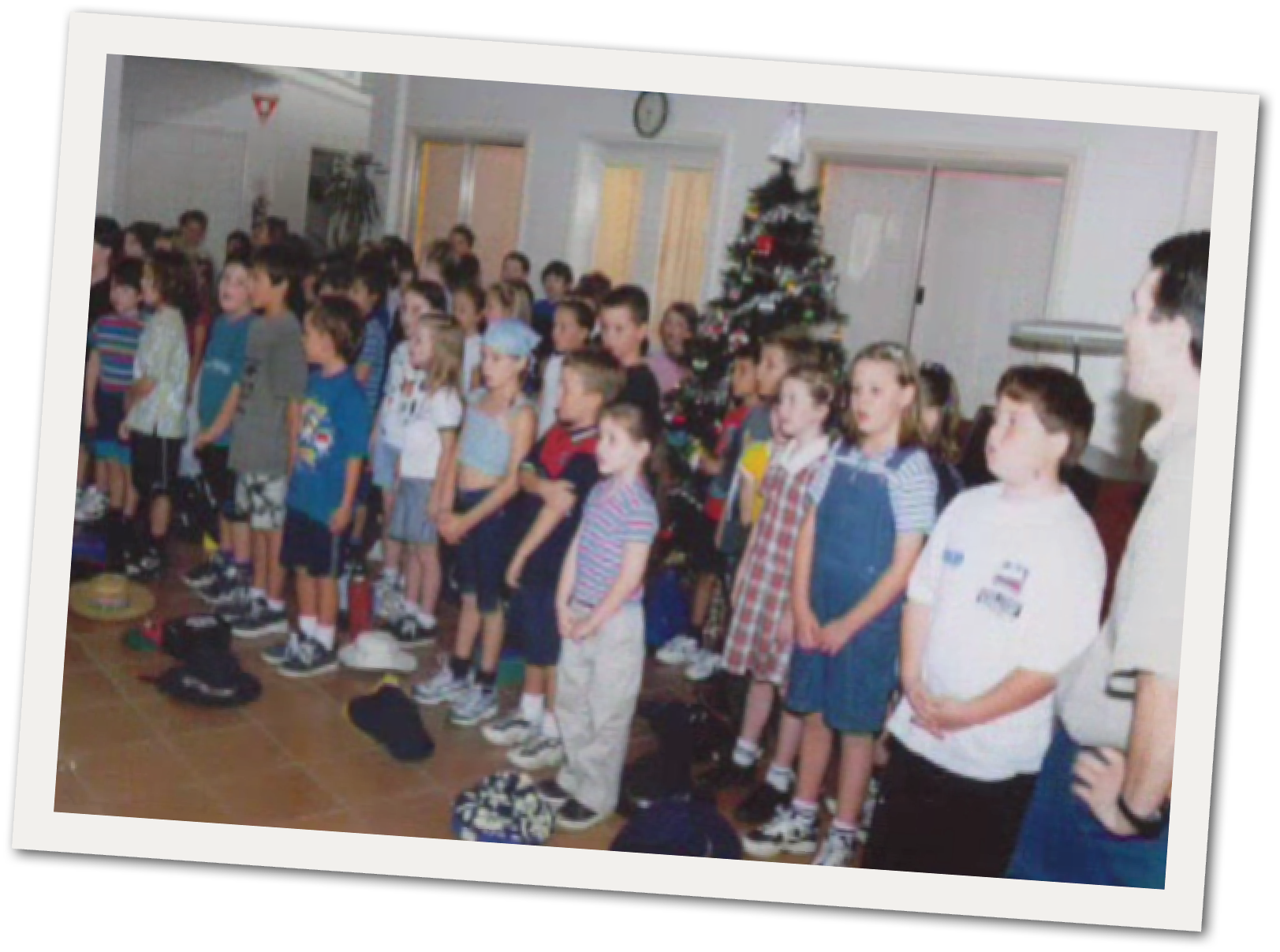
  • 17 July – dedication of the first 10 independent living units, where the St Andrews Lutheran College choir sang.
  • 19 November – aged care and retirement living dedication and opening.
  • 72 beds across six houses – all under the same roof.
1995
  • 14 May – dedication of independent living units 11-24.
1996
  • Swimming pool installed at the aged care service.
1997
  • St Andrews worship centre opened.
1998
  • 14 November – dedication and opening of Coolibah.
1999
  • Lutheran Community Care established.
2013
  • Refurbishments undertaken including the gym.
  • Library expanded.
2017
  • Home care/support services commenced.
  • Lutheran Community Care rebranded Lutheran Services.
2022
  • Camellia refurbished.
2023
  • Kitchenettes in Gumnut and Rainbow refurbished.
  • Renovations at Gumnut completed.
2024
  • Year 10 students from St Andrews College help paint five colourful murals at Camellia.
  • 30-year anniversary celebrated
  • 72-bed residential aged care home 
  • 24 independent living units 
  • 78 qualified staff.
1980s–90s
  • The vision for the school was born and search for land began.
  • The vision was expanded to include an aged care service.
  • “Six pack” leadership committee established.
1991
  • St Andrews Development Committee established. It was a combination of the local parish School Feasibility Committee and Aged Care Task Force.
  • 15 September – special parish meeting approved land purchase, range of services, financing support, and name for the project.
  • 3 October – contract signed for land on Tallebudgera Creek Road, Tallebudgera.
1992
  • Land contract settled.
  • May – concept presented to Synod.
1993
  • St Andrews Lutheran College opened.
  • The Currumbin chapel was moved to the St Andrews site.
  • 3 October – aged care site dedication and groundbreaking ceremony.
1994
  • 17 July – dedication of the first 10 independent living units, where the St Andrews Lutheran College choir sang.
  • 19 November – aged care and retirement living dedication and opening.
  • 72 beds across six houses – all under the same roof.
1995
  • 14 May – dedication of independent living units 11-24.
1996
  • Swimming pool installed at the aged care service.
1997
  • St Andrews worship centre opened.
1998
  • 14 November – dedication and opening of Coolibah.
1999
  • Lutheran Community Care established.
2013
  • Refurbishments undertaken including the gym.
  • Library expanded.
2017
  • Home care/support services commenced.
  • Lutheran Community Care rebranded Lutheran Services.
2022
  • Camellia refurbished.
2023
  • Kitchenettes in Gumnut and Rainbow refurbished.
  • Renovations at Gumnut completed.
2024
  • Year 10 students from St Andrews College help paint five colourful murals at Camellia.
  • 30-year anniversary celebrated
  • 72-bed residential aged care home 
  • 24 independent living units 
  • 78 qualified staff.

My mother was one of the original residents at St Andrews Aged Care. My wife Angela and I remember we were still running around hanging shower curtains in all the rooms on the first day that residents started moving in! Many of our St Andrews congregation were helping with the setup of the aged care units.

We shall always be grateful for the wonderful care that my mother Jessie received at St Andrews, firstly in an independent living unit and then in higher care.

Bruce Griffin
St Andrews Lutheran Church Tallebudgera congregation

John: We were worshipping at Miami when we heard about the plans to develop a three-stage complex – college, aged care and church. After Sunday services, members of the congregation would go looking at land that might be suitable. Flat land was expensive and in areas where similar entities were already developed. Milton Eckermann, who would become the founding Coordinator of Lutheran Community Care, approached me about joining the planning committee because I managed a nursing home and retirement living units in Bundaberg before we moved to the Gold Coast.

When the St Andrews Management Committee was asked by Synod how the building of the aged care hostel was being funded, they said “We haven’t done anything about that yet.” Thankfully we got a loan from the Lutheran Laypeople’s League (LLL) to get going. For us it was then a matter of getting on with the job of building.

In the early days, the aged care service was a bit of a lynchpin because they had funding from the government. The aged care stepped in and shared facilities and allowed the college and church to link in with their sewerage pipe which linked in with the Gold Coast City Council. This enabled the entire project to receive council approvals.

We had approval for 72 aged care beds; the design was for a central facility with three houses at each end – all under the one roof. We didn’t want to name the houses after people, so we decided on two flowers (Camellia and Waratah), two trees (Gumnut and Acacia) and two Christian symbols (Rainbow and Dove). The hostel rooms were built big enough to meet nursing home standards. All this foresight paid off in the long term.

I became the first Service Manager at St Andrews Aged Care – I held the role for 10 years.

The independent living units (ILUs) opened first. Eric Stevens owned number three. His land was used to extend the retirement village in exchange for a unit for himself; it was designed to his specifications and had a workshop underneath as well. Coolibah is named after Eric’s property and homestead. It still brings people together; it’s a gathering space for the community.

The entire aged care service opened at once, but we filled the houses one at a time; it took about a year. The Southport hostel had been sold to free up money for the build, so those residents were some of the first to move in. Molly Moore was one of the original residents and stayed with us for many, many years.

Initially the old homestead on the property, which was owned by the Andrews family, was used for planning. A carpet snake fell out of the ceiling once during a meeting! I used the old house as an office, as did the church. The current church sits on that site now. When the ILUs opened Pastor Schirmer used one of the unsold units as his office.

We worked together to get the church, school and aged care services up and running. We started what we called the “six pack” – representatives from the congregation, the school, and the aged care service; LCAQD also had a representative on this committee. We collaborated and always kept each other involved in decisions.

Aged care gave the college some land to build a full-sized oval in lieu of developing further ILUs in the future. The cooperation between the services was really good.

The brick wall around Camelia, the dementia unit, was painted by one of the first teachers at the school and her friends. They did Psalm 23 on it. It was a good reminder that the home is faith-based. It’s been painted over now, but it was another connection.

A lot has changed in aged care over the years. When we started, we didn’t even have night nurses. Staff would stay over and answer the call bell if needed. If they got up to respond to a bell, that would be one and a half hours of pay! Residents were much more self-sufficient – they would make their own beds and morning tea and still drive.

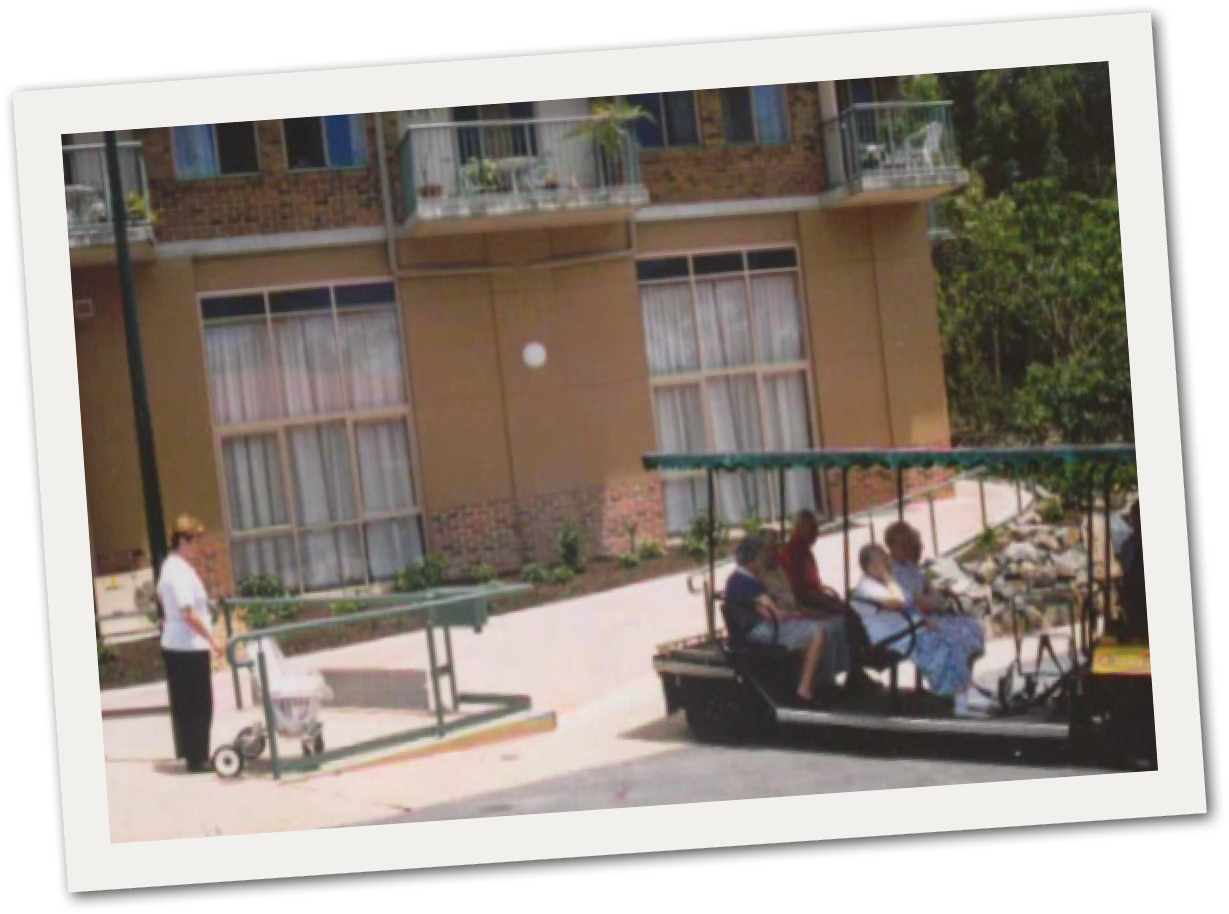
Before we had a lift, we used a stretch golf buggy called “The Beaver” to take people from the hostel to Coolibah. There was no other access – you had to go out the front door, down the hill, and then in underneath to Coolibah. The Beaver was designed by the husband of Pam Bridges – who was the Service Manager at Zion Nundah Aged Care!

When Lutheran Community Care took over the management there was a feeling that the committees and congregation had lost control. They felt disempowered. I always looked to the Committee of Service for their advice – it was a consultative process. Above all I would focus on fulfilling the vision of the congregation of three services within one community.

One of the highlights of my time at St Andrews was working with people – particularly residents and prospective residents. Every day was pretty much a good day. I felt I was making a difference, knowing we could provide a level of care and concern for our residents while maintaining a homelike atmosphere. And we had good staff, because we chose them! It felt like a family, especially in the beginning – there were only a handful of us and a few residents. But as we grew, we still maintained a fair bit of that close community.

We had students coming across to interact with and entertain residents. Members of the congregation also come over to Coolibah to play cards with the residents. The pastor of the congregation took monthly services. St Andrews was the first facility to employ a chaplain, and a female at that, for the spiritual care of residents. The ideals of the interconnected community are still there.

Helen: I have to admit, when I first came to the St Andrews block of land I thought “What are they going to do with this? It’s billy goat country!” It’s amazing to see how it has developed.

From the start, God gave us the right people to make St Andrews the special place that it is. Smaller congregations could not have brought the three elements together – they just would not have the people.

There are so many family connections at St Andrews. Freda Jeffer’s daughter Debbie and her husband, and Vicki Harm, made the stained glass in the doors at the entrance to the six houses. Freda was on the committee and is presently a resident in St Andrews. Vicki Harm was the wife of the foundation Chairman, Claude Harm, who was also a resident in St Andrews. Our son Grant built the kitchen, altar, and lectern at Coolibah. Being a tradie, he used to swear a bit – I think he’d forget that Pastor Ed Szabo was using the room next door as an office.

The resident wedding was a highlight. John and I connected with Elmore Klinge and his sister Rosa when we lived in Bundaberg. Rosa and I cleaned the silver and the plaques in the St John’s Lutheran Church and visited hospital patients and residents in the Lutheran Nursing Home John managed at the time. We had a lot of fun times together until Rosa passed away because of a stroke.

Elmore was a lost soul when his sister died and his family moved him into Roslyn Lodge, a nursing home on Mount Tambourine. We moved to Mudgeeraba shortly after Rosa died and found out where Elmore was living. We visited him regularly and when John was employed as the Manager of the St Andrews Nursing Home, Elmore expressed interest in moving and John helped him make the move.

At St Andrews, Elmore met Zena. Elmore was a bachelor and Zena a widow. They met in the dining room, formed a friendship, fell in love, and married here at St Andrews, both in their 80s. John organised for them to connect their units so they could live side by side, in adjoining rooms with a connecting door. Their story made national news – a beautiful reminder of the care and joy here.

John and I still play cards with the residents on Fridays. I always notice how lovely the staff are. They make it a home and build a sense of family. The newer team members will tell us about the service and facilities. I thank them for being helpful and advise them that John actually helped design the home! It is so good to see how proud they are of where they work.

It means a lot to share the history of St Andrews Aged Care and give it meaning. There aren’t many people still around who were part of the original committees, congregation or staff. Not many people know the story of how St Andrews came to be.

John Howard
Service Manager, St Andrews Aged Care (1994–2004)
Planning Committee Member

Helen Howard
Wife of John Howard

I’ve been at St Andrews Aged Care for just over 13 years. A friend who worked here told me they were hiring, and I needed something casual between kids, study and life. I began in the kitchen while studying nursing, and over the years moved into different roles as my skills and circumstances changed. I was Support Service Coordinator for a time, and since 2022 I’ve been Service Manager. Having worked across the facility gives me insight into every role and how to best support our team.

Kitchens are said to be the heart of the home, and food is central to life at St Andrews. I stepped back into the kitchen during Cyclone Alfred, when many staff stayed onsite to ensure continued care.

Aged care has changed greatly since I started. Residents now enter with higher care needs, requiring more clinical staff and closer compliance with national standards. This ensures residents receive consistent, appropriate care while maintaining autonomy. We offer choices in meals and activities, shaped by their tastes and interests. With the Gold Coast attracting people from across Australia and the world, our community is rich in diversity, which inspires us to be creative and inventive in our service.

Our core focus is serving residents in ways that suit their personality and needs. It’s the little things – knowing how they take their tea, or their favourite song – that make the difference. Building relationships helps residents feel seen, valued, and loved, and I enjoy getting to know them and their families.

St Andrews is a beautiful home thanks to both its caring culture and thoughtful design. The building’s flow, natural light, and access to gardens make it welcoming. It’s easier to create a homely environment when the space supports care, and the staff work in harmony within it. The people here make it what it is: safe, comfortable, compassionate, and full of small but meaningful moments. It feels like home, not just for residents, but for staff too.

Family is central to our community. Many staff have children at the neighbouring college, and those kids often visit after school, building genuine bonds with residents.

Like any community, we’ve faced challenges. COVID restrictions strained relationships between aged care and retirement living services, and changes in management over the years have tested connections. But the highs outweigh the lows.

One standout memory was a fashion parade about seven years ago. Residents helped plan the event choosing menus, music, and outfits. We had finger food, champagne, and live entertainment. A local boutique supplied clothing, and hair and makeup artists volunteered. Families joined in as models, and everyone worked together to help residents prepare. Seeing residents, some with wheelie walkers, arm in arm with staff, confidently strutting down the runway, was pure joy.

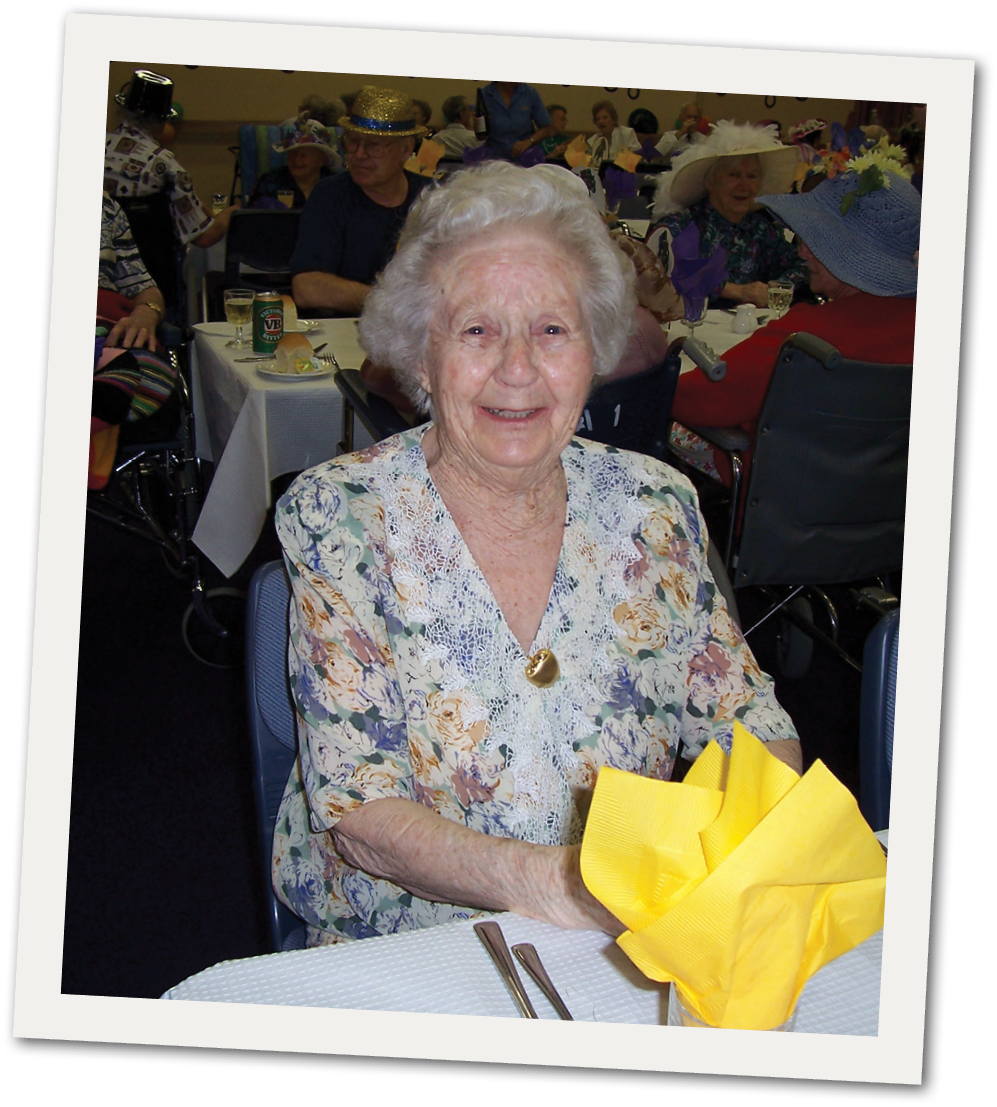
Many residents leave a lasting mark on me. Molly Moore, our first resident, was unforgettable. She had presence, grace, and a deep appreciation for small joys, especially fresh flowers. If you walked past without commenting on them, she’d prompt you: “Aren’t they beautiful? Don’t they smell lovely?” She wore hats adorned with flowers, and her delight in them reminded us all to slow down and appreciate life’s beauty. Ensuring she always had flowers became a small act of love that influenced how we chose to focus our attention.

Over the years, I’ve worn many hats literally and figuratively and each role has deepened my respect for this season of life. Spending time with residents is a privilege. They remind me of what matters most, and I’m honoured to be part of their stories.

Perceptions of age vary. Friends sometimes say their parents are “getting old” in their 70s, and I think, “That’s not old at all!” I spend my days with vibrant 90-year-olds. Age, I’ve learned, is simply an attitude.

Rebecca Pay
Service Manager, St Andrews Aged Care

From the archives

St Andrews development proposal

DEVELOPMENT COMMITTEE:  

A local parish School Feasibility Committee has functioned since the latter part of 1988. Since December 1990 an Aged Care Task Force also functioned. In July 1991 these two groups merged to become what is now known as St Andrews Development Committee.  

Membership of this committee at present is: 

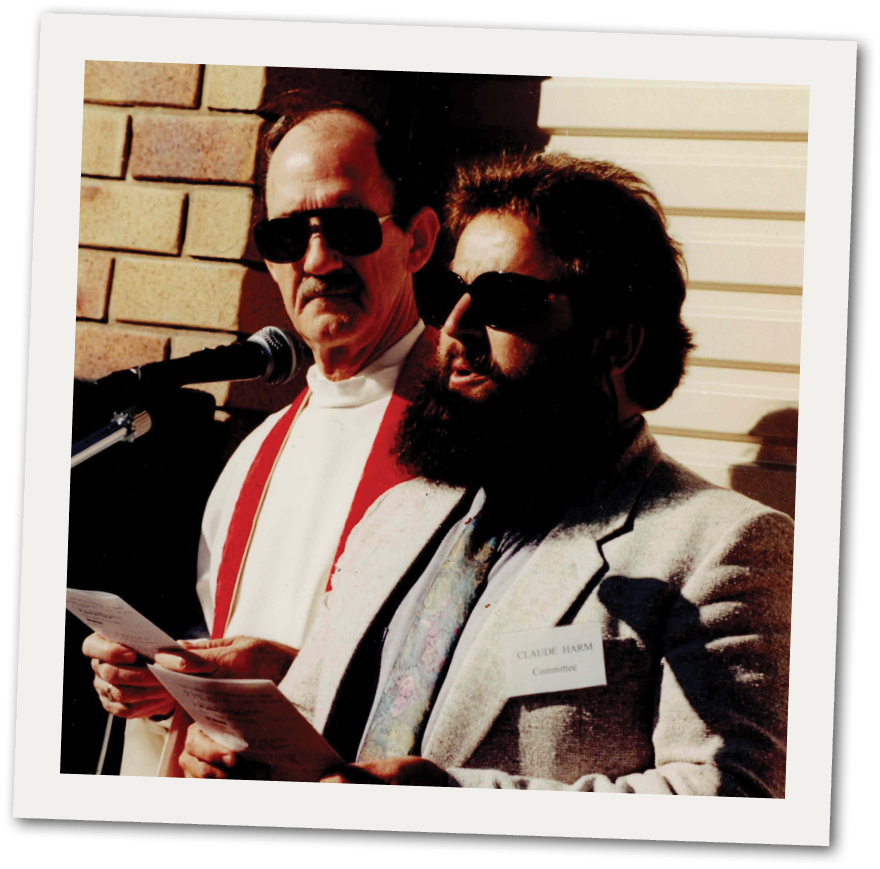
  • Mr C Harm – Chairman [Businessman, Elder, and Congregation Vice-chairman] 
  • Mr J Grosser [Businessman, Elder, and Congregation Chairman] 
  • Mr D Brown [Bank Manager, Congregational Treasurer] 
  • Mrs D Beattie [Registered Day Care Provider, Sunday School Superintendent] 
  • Mr D Heiner [Engineering Consultant] 
  • Mrs C Ryan [Travel Consultant] 
  • Mrs P Heck [Manager, Triple Certificated Sister] 
  • Pastor C Helbig [Parish Pastor] 
  • Mr R Hoff [Principal, Trinity Primary School, LCAQD Primary School Committee Representative] 
  • Mr G Kempe [Engineer, LCAQD Secondary School Committee Representative] 

Written for the St Andrews 30th anniversary celebration in 2024

St Andrews Aged Care is a vibrant gathering of people, ideas, purpose, living in community, serving one another and flourishing into what we see and experience today. It is a home where the lives of staff, residents and families are interwoven, with each person adding their own hue and contributing to the developing picture that values each individual as a unique creation. 

At St Andrews, we acknowledge our shared humanity and the challenges that come with living in community. Our sense of honesty and vulnerability is a quality many have noted. Being able to journey with people through ups and downs is one of the threads that holds us together. 

All those who have gone before and everyone here today are part of the St Andrews story. Every resident, every staff member, every family member and visitor are a thread in our St Andrews tapestry. Whether someone is part of our community for a short or long time, each person has added a different shade of colour to our evolving picture. No matter how sparkly or bright, each person’s story is woven, one with another, as companions on this journey of life. 

It is a common occurrence for us to encounter people who are surprised by the genuine care and concern of our staff, and staff who are surprised by the supportive environment they find themselves in. I am so grateful for our beautiful staff who serve each day, not just as a job, but as fellow humans sharing the load of others and making their day a little easier.  

As written on our foundation plaque near the entrance, St Andrews is dedicated to the Glory of God. Our firm foundation is the Christian faith, built on the life of Jesus Christ and envisaged by the local community over three decades ago. 

Let us celebrate our community, giving thanks to God and all who have worked hard to make this home a haven for so many.

Kathy Friebel 
Chaplain, St Andrews Aged Care 

Can you add to the St Andrews Origin Story?

We’d love to hear from you!
Back to top