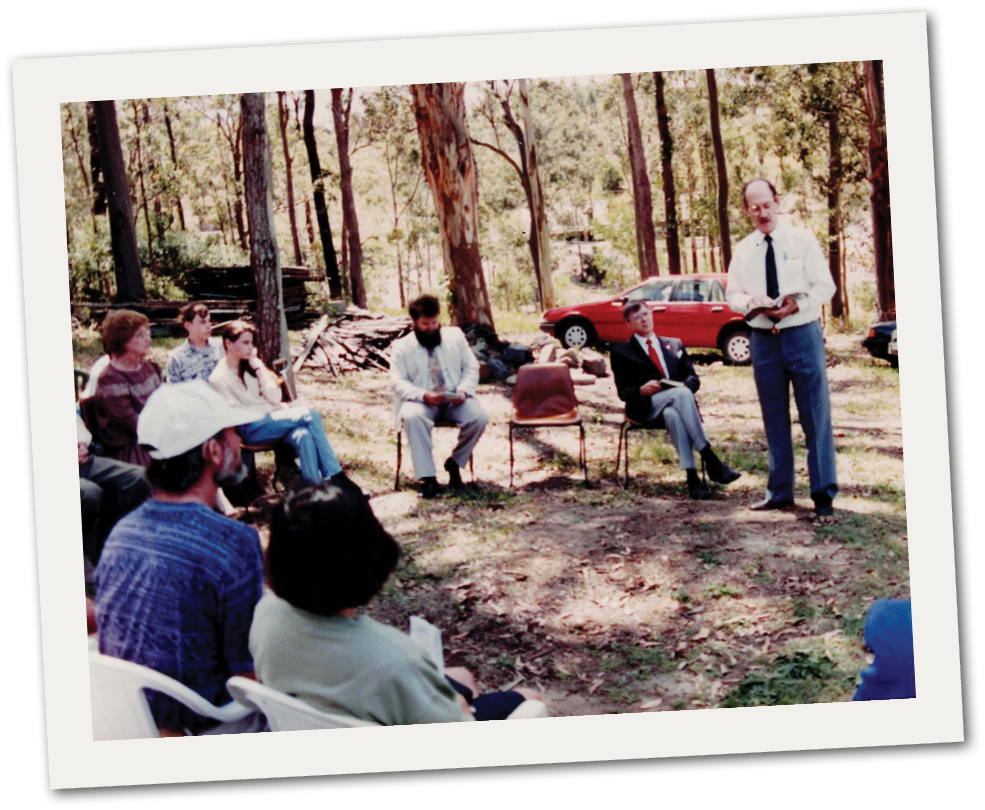
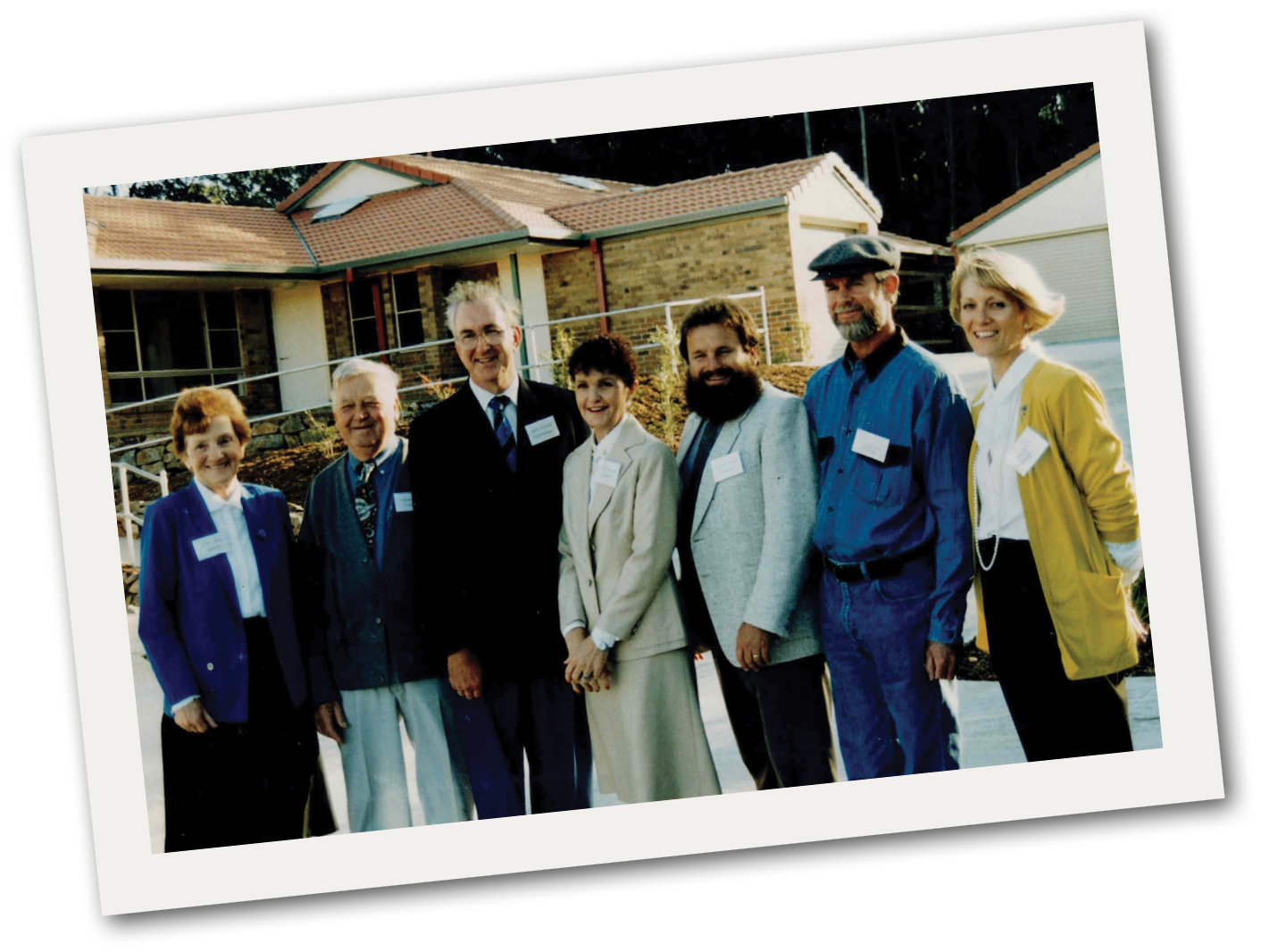
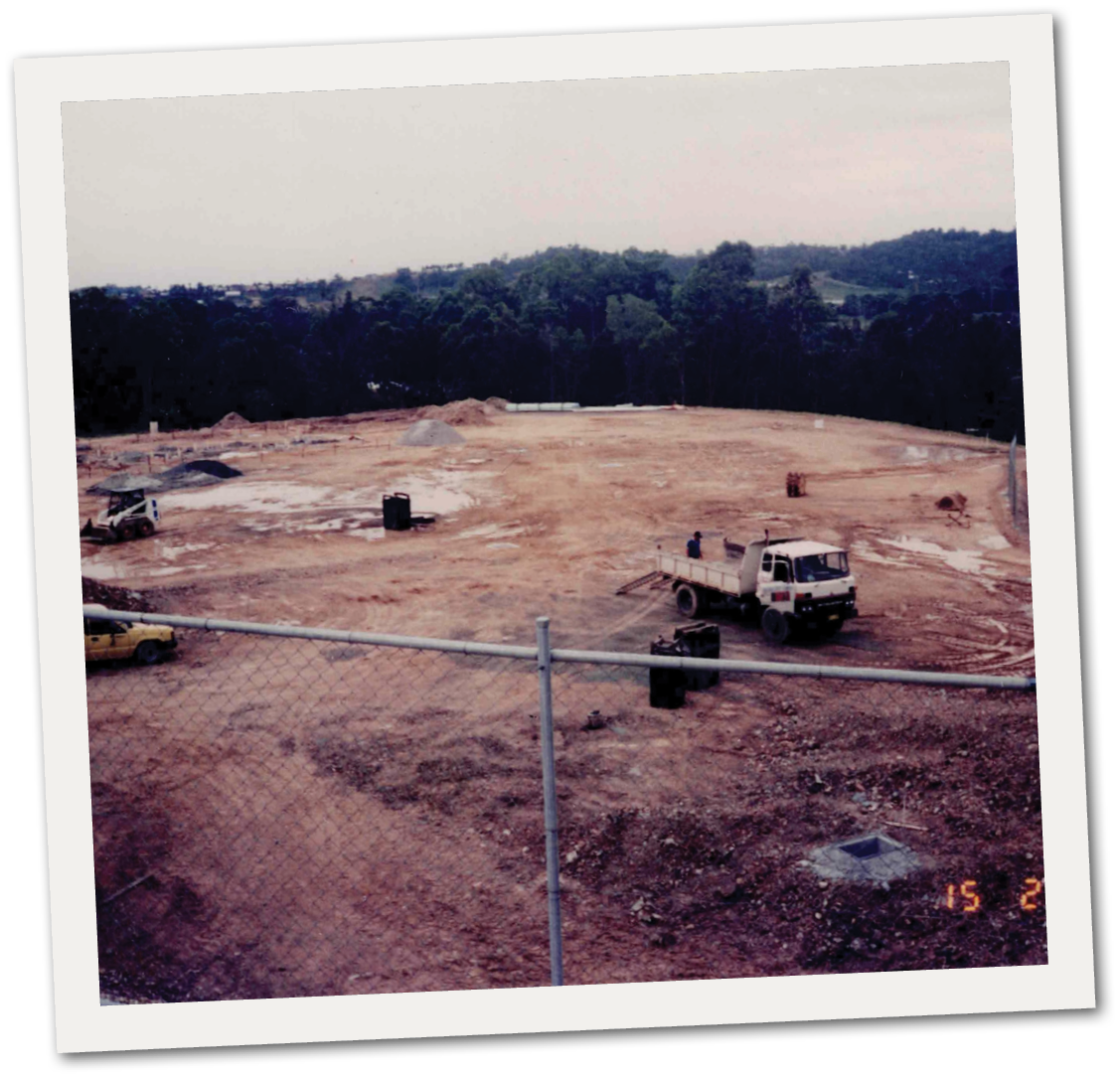
John: We were worshipping at Miami when we heard about the plans to develop a three-stage complex – college, aged care and church. After Sunday services, members of the congregation would go looking at land that might be suitable. Flat land was expensive and in areas where similar entities were already developed. Milton Eckermann, who would become the founding Coordinator of Lutheran Community Care, approached me about joining the planning committee because I managed a nursing home and retirement living units in Bundaberg before we moved to the Gold Coast.
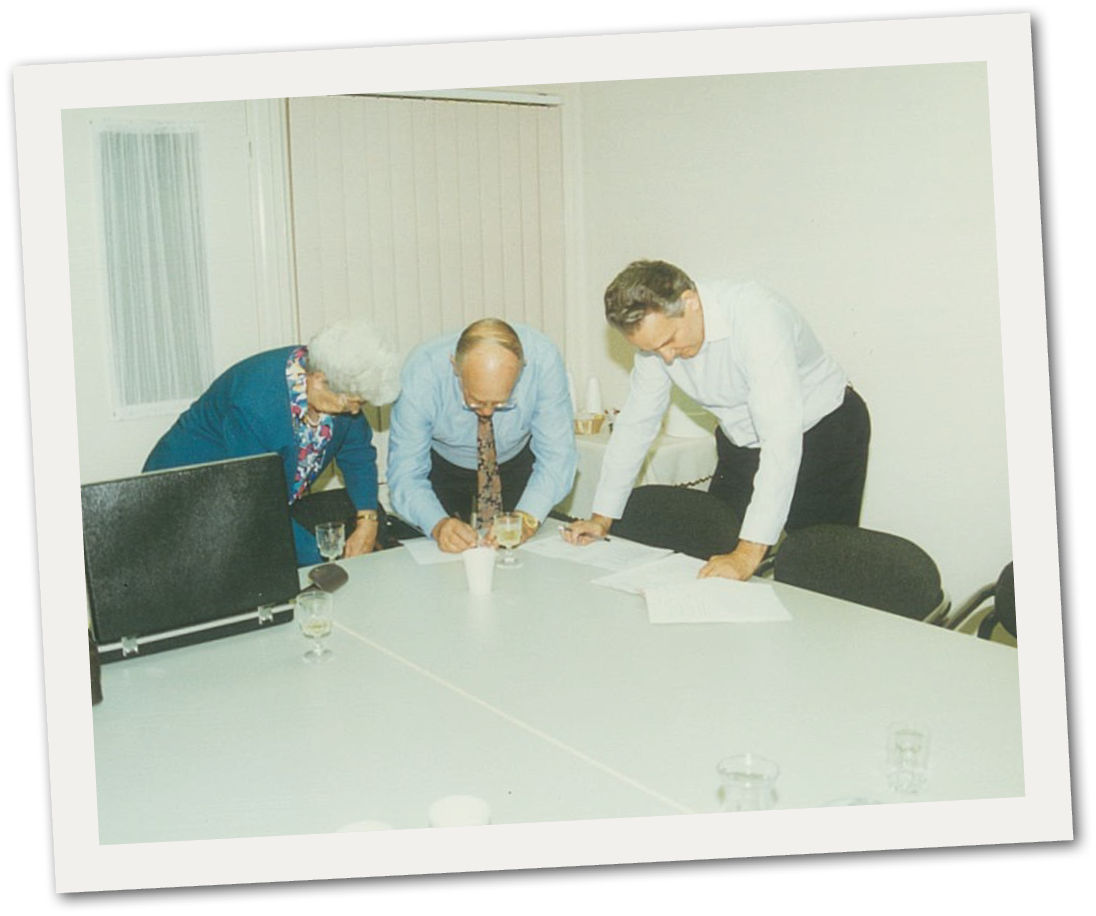
When the St Andrews Management Committee was asked by Synod how the building of the aged care hostel was being funded, they said “We haven’t done anything about that yet.” Thankfully we got a loan from the Lutheran Laypeople’s League (LLL) to get going. For us it was then a matter of getting on with the job of building.
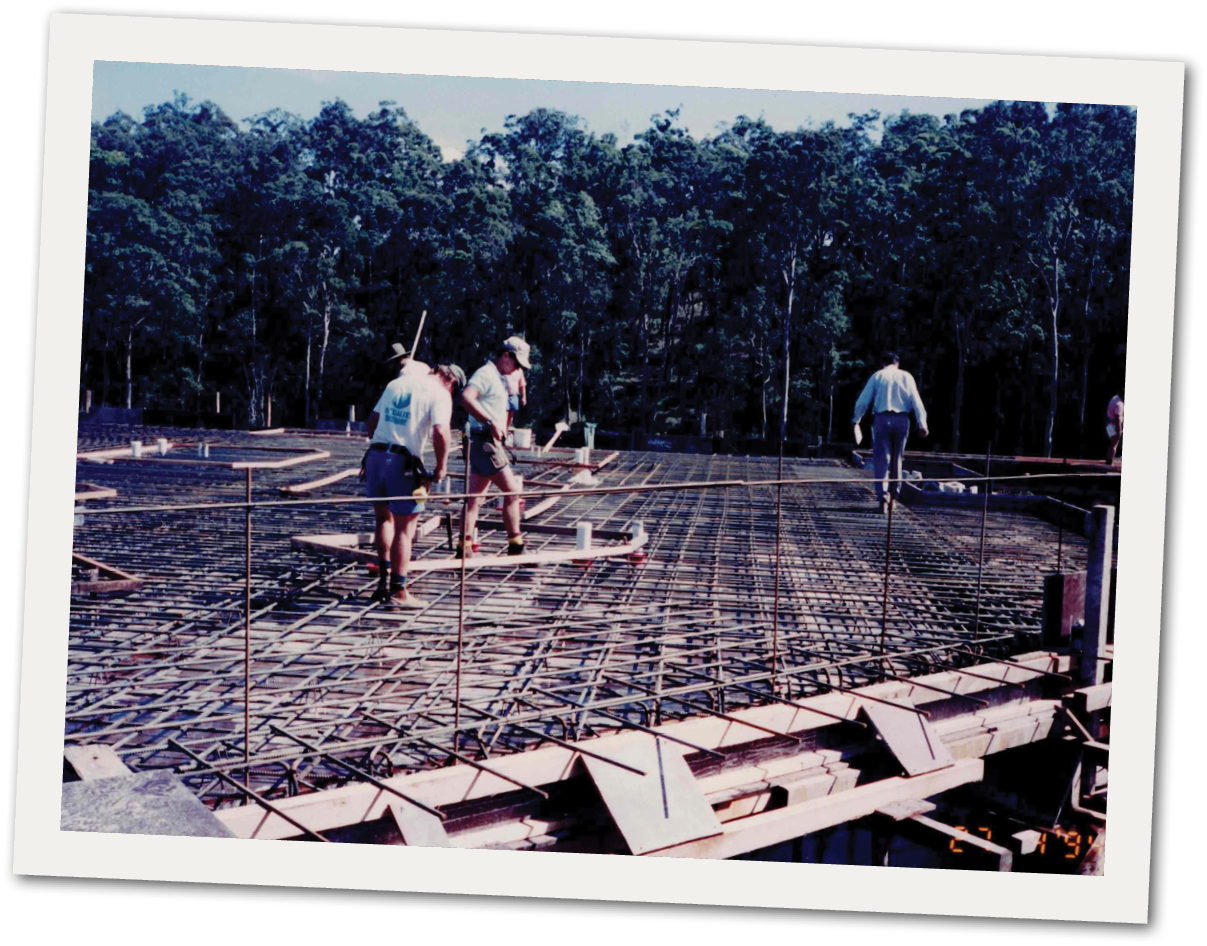
In the early days, the aged care service was a bit of a lynchpin because they had funding from the government. The aged care stepped in and shared facilities and allowed the college and church to link in with their sewerage pipe which linked in with the Gold Coast City Council. This enabled the entire project to receive council approvals.
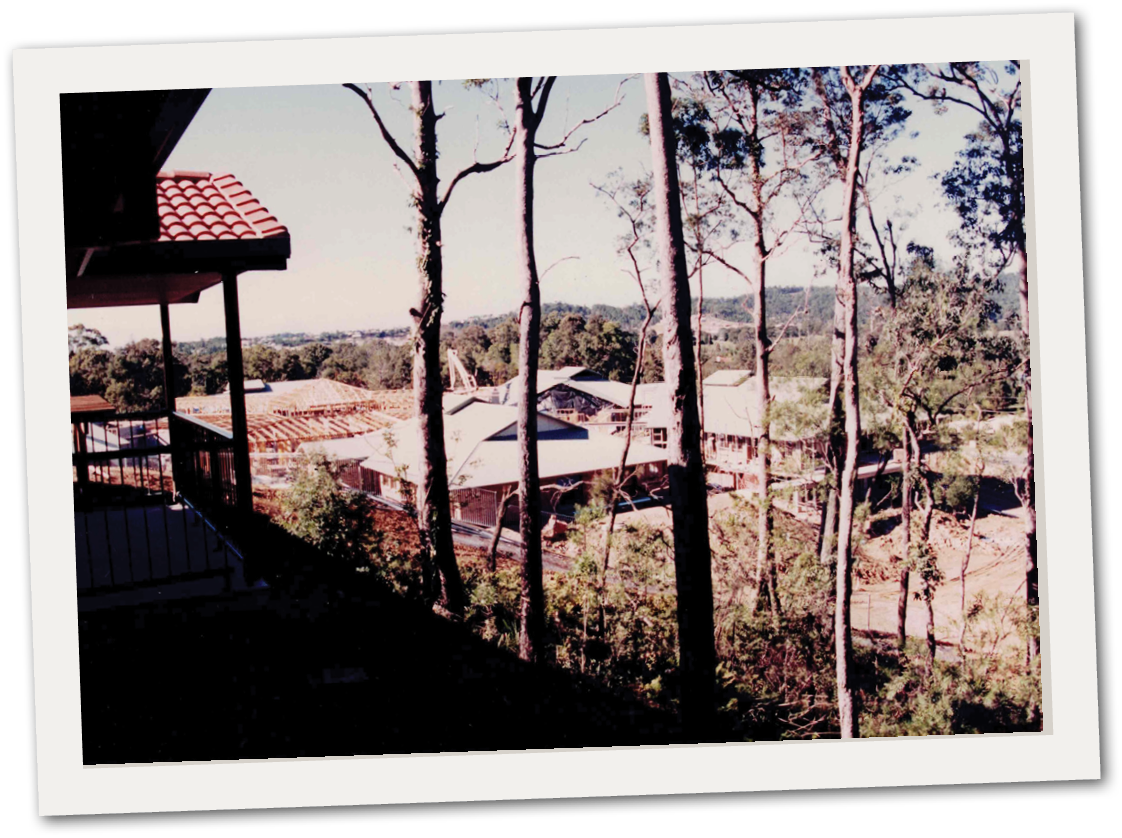
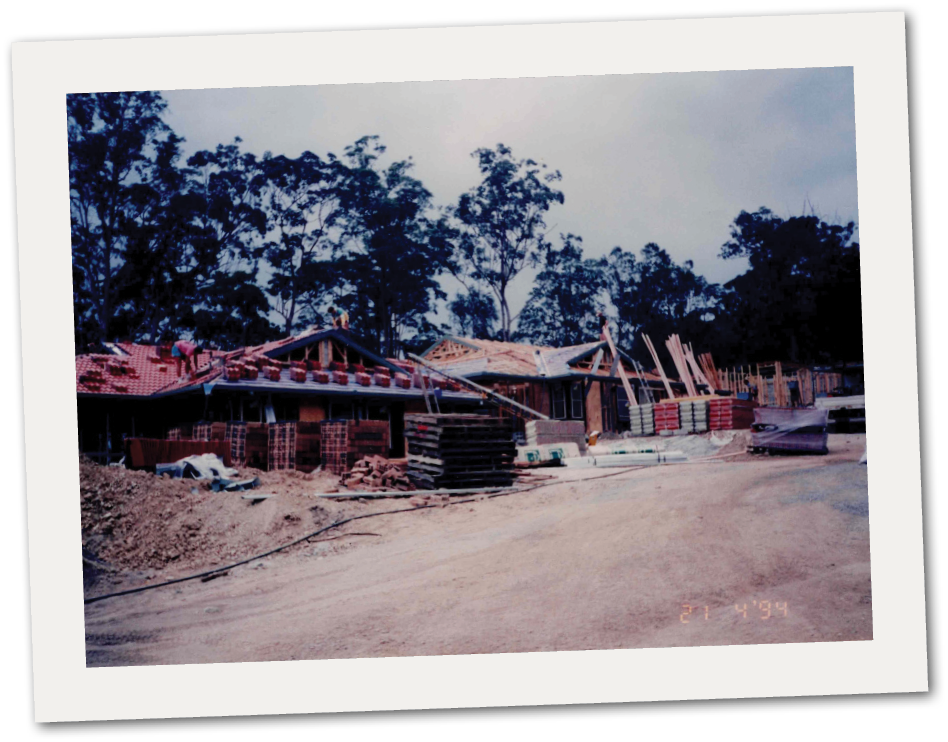
We had approval for 72 aged care beds; the design was for a central facility with three houses at each end – all under the one roof. We didn’t want to name the houses after people, so we decided on two flowers (Camellia and Waratah), two trees (Gumnut and Acacia) and two Christian symbols (Rainbow and Dove). The hostel rooms were built big enough to meet nursing home standards. All this foresight paid off in the long term.
I became the first Service Manager at St Andrews Aged Care – I held the role for 10 years.
The independent living units (ILUs) opened first. Eric Stevens owned number three. His land was used to extend the retirement village in exchange for a unit for himself; it was designed to his specifications and had a workshop underneath as well. Coolibah is named after Eric’s property and homestead. It still brings people together; it’s a gathering space for the community.
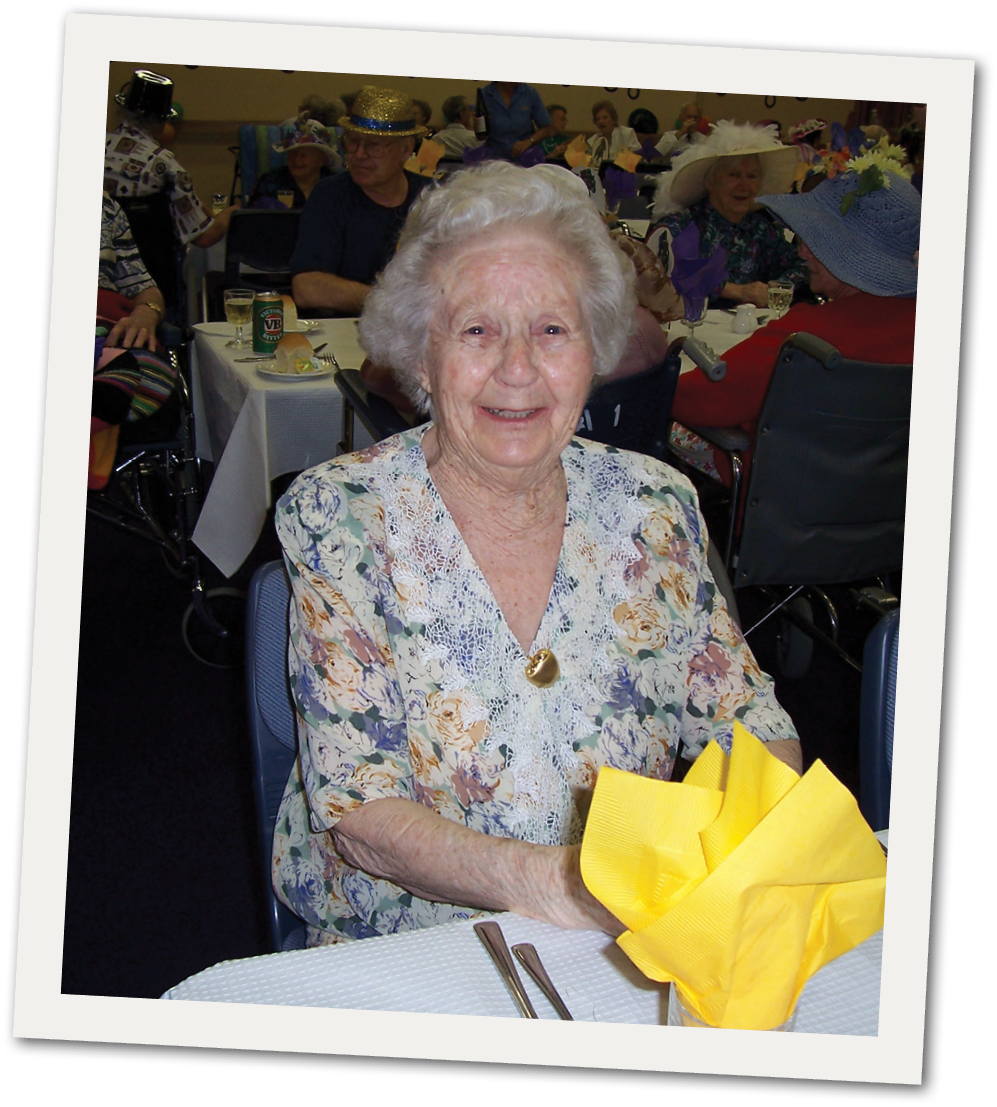
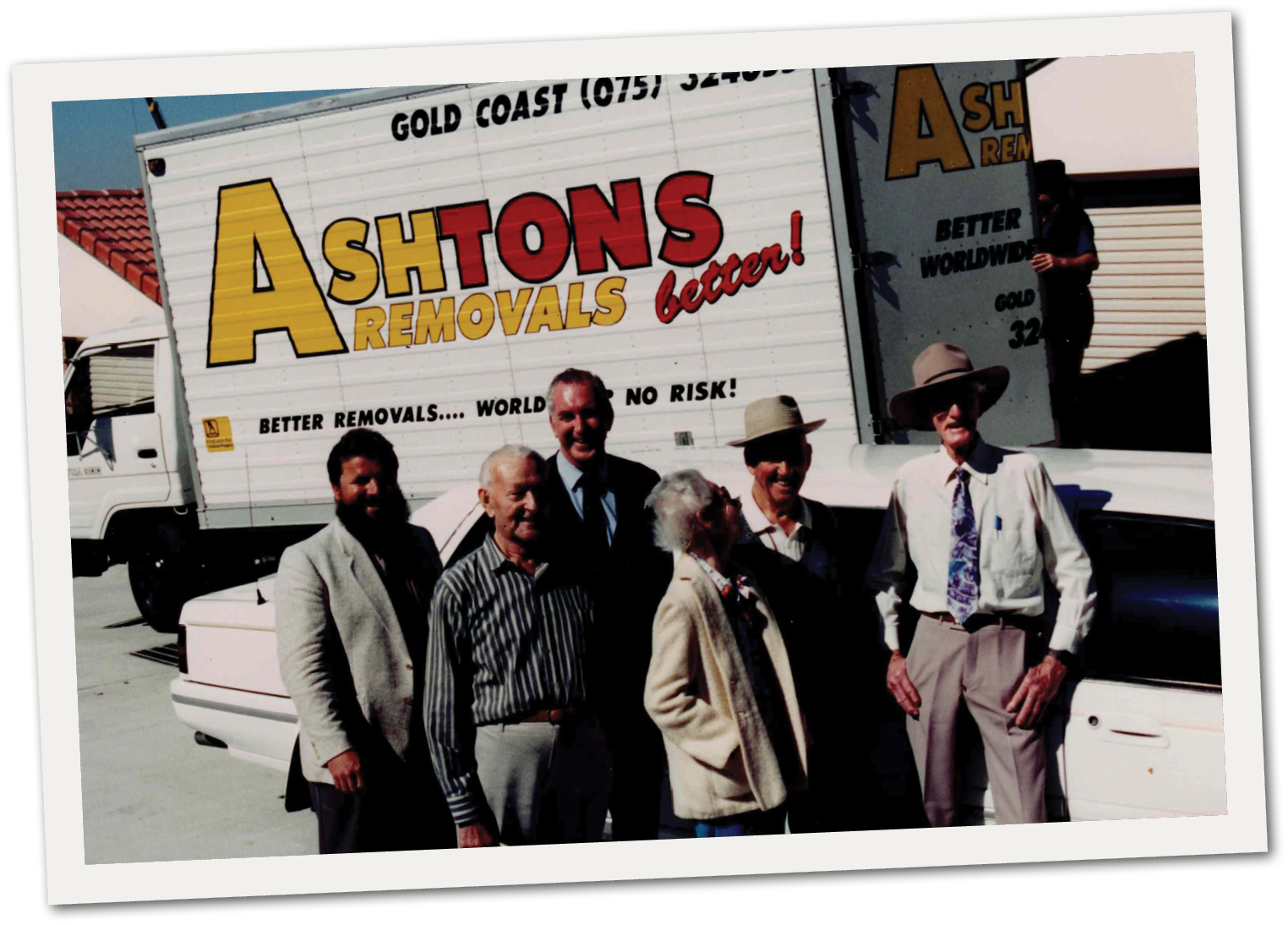
The entire aged care service opened at once, but we filled the houses one at a time; it took about a year. The Southport hostel had been sold to free up money for the build, so those residents were some of the first to move in. Molly Moore was one of the original residents and stayed with us for many, many years.
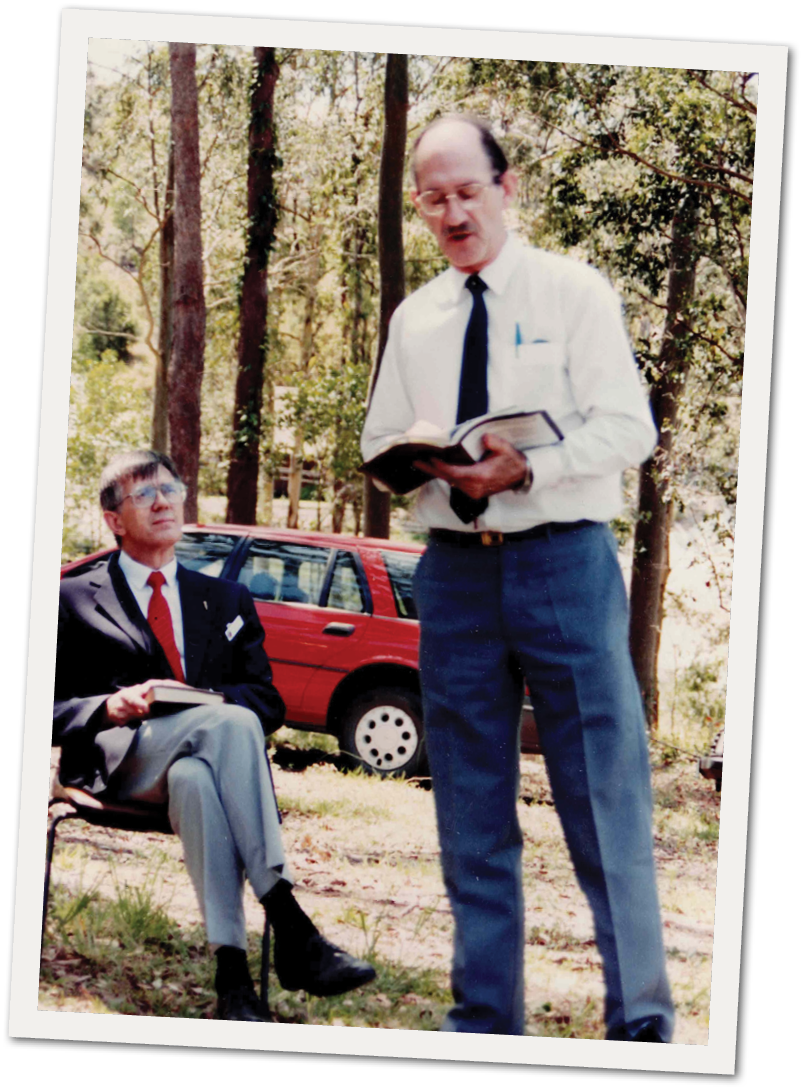
Initially the old homestead on the property, which was owned by the Andrews family, was used for planning. A carpet snake fell out of the ceiling once during a meeting! I used the old house as an office, as did the church. The current church sits on that site now. When the ILUs opened Pastor Schirmer used one of the unsold units as his office.
We worked together to get the church, school and aged care services up and running. We started what we called the “six pack” – representatives from the congregation, the school, and the aged care service; LCAQD also had a representative on this committee. We collaborated and always kept each other involved in decisions.
Aged care gave the college some land to build a full-sized oval in lieu of developing further ILUs in the future. The cooperation between the services was really good.
The brick wall around Camelia, the dementia unit, was painted by one of the first teachers at the school and her friends. They did Psalm 23 on it. It was a good reminder that the home is faith-based. It’s been painted over now, but it was another connection.
A lot has changed in aged care over the years. When we started, we didn’t even have night nurses. Staff would stay over and answer the call bell if needed. If they got up to respond to a bell, that would be one and a half hours of pay! Residents were much more self-sufficient – they would make their own beds and morning tea and still drive.
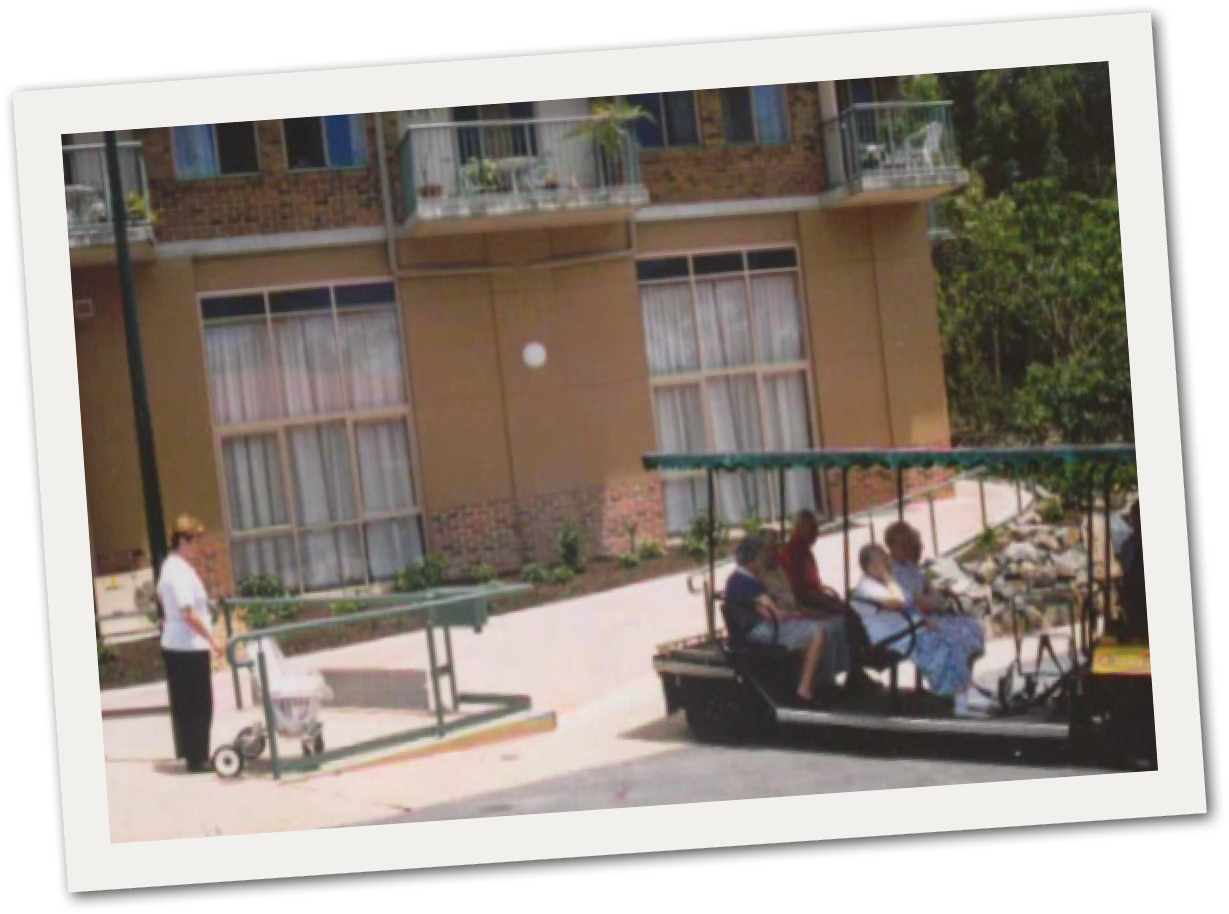
Before we had a lift, we used a stretch golf buggy called “The Beaver” to take people from the hostel to Coolibah. There was no other access – you had to go out the front door, down the hill, and then in underneath to Coolibah. The Beaver was designed by the husband of Pam Bridges – who was the Service Manager at Zion Nundah Aged Care!
When Lutheran Community Care took over the management there was a feeling that the committees and congregation had lost control. They felt disempowered. I always looked to the Committee of Service for their advice – it was a consultative process. Above all I would focus on fulfilling the vision of the congregation of three services within one community.
One of the highlights of my time at St Andrews was working with people – particularly residents and prospective residents. Every day was pretty much a good day. I felt I was making a difference, knowing we could provide a level of care and concern for our residents while maintaining a homelike atmosphere. And we had good staff, because we chose them! It felt like a family, especially in the beginning – there were only a handful of us and a few residents. But as we grew, we still maintained a fair bit of that close community.
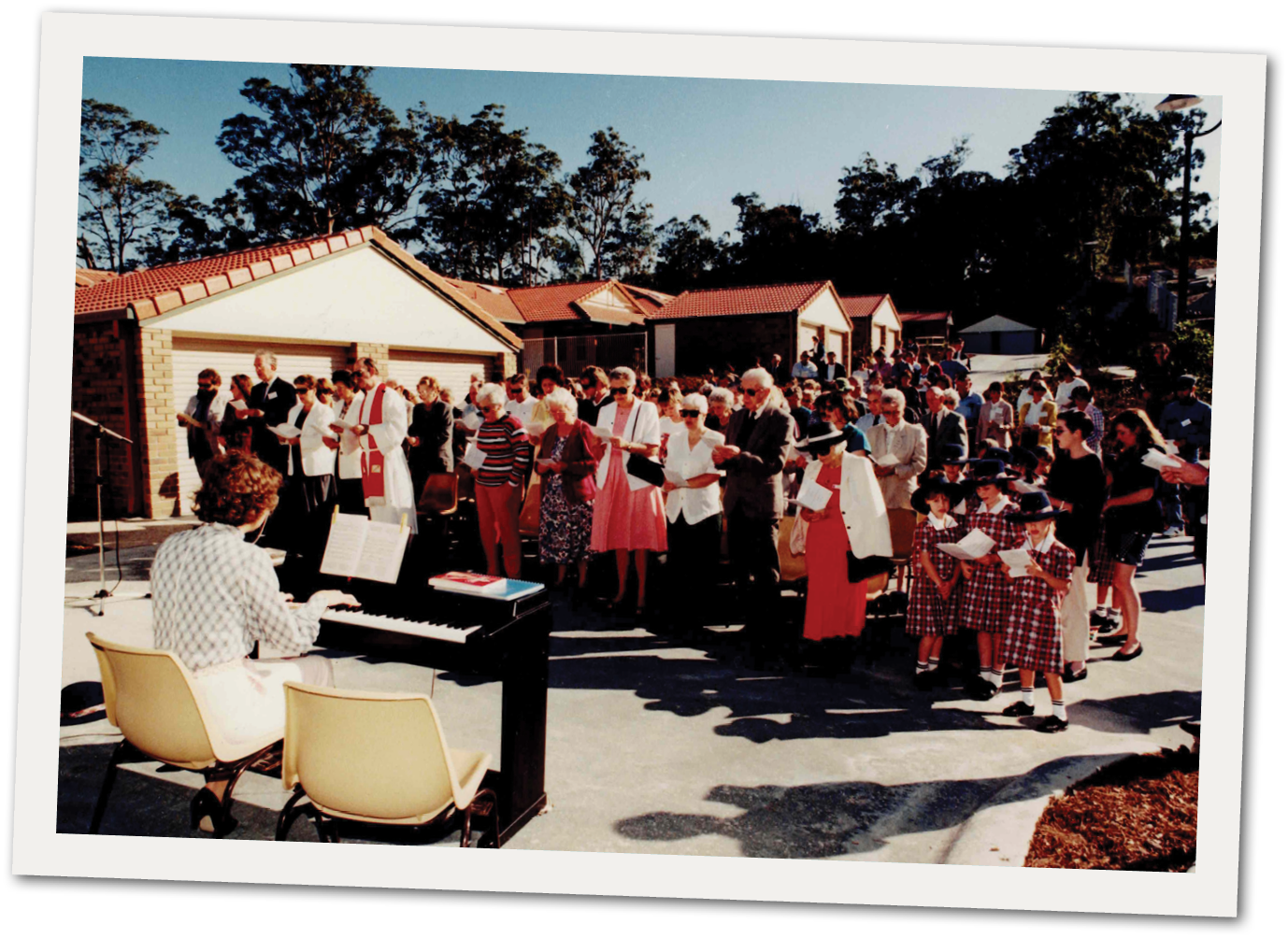
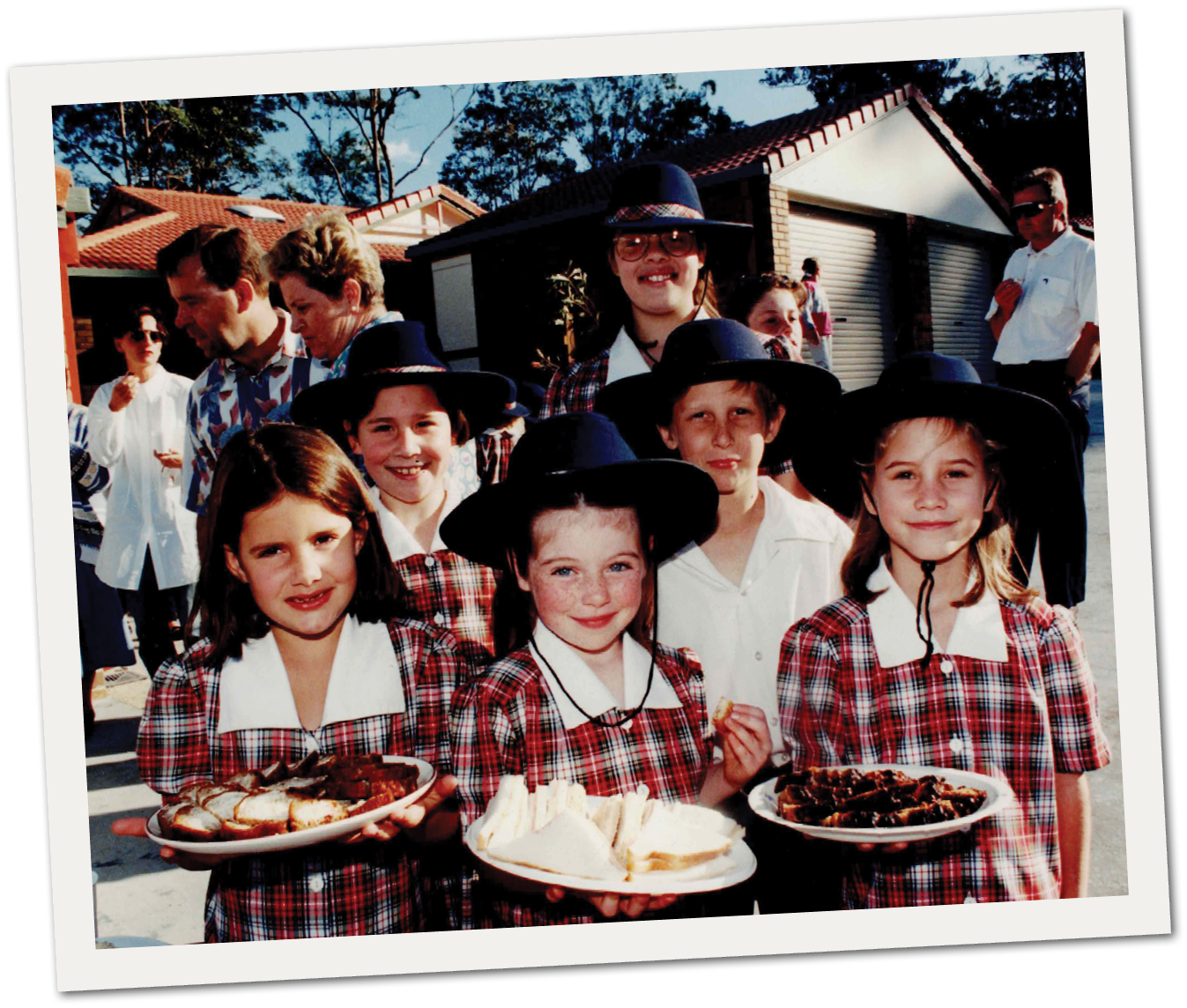
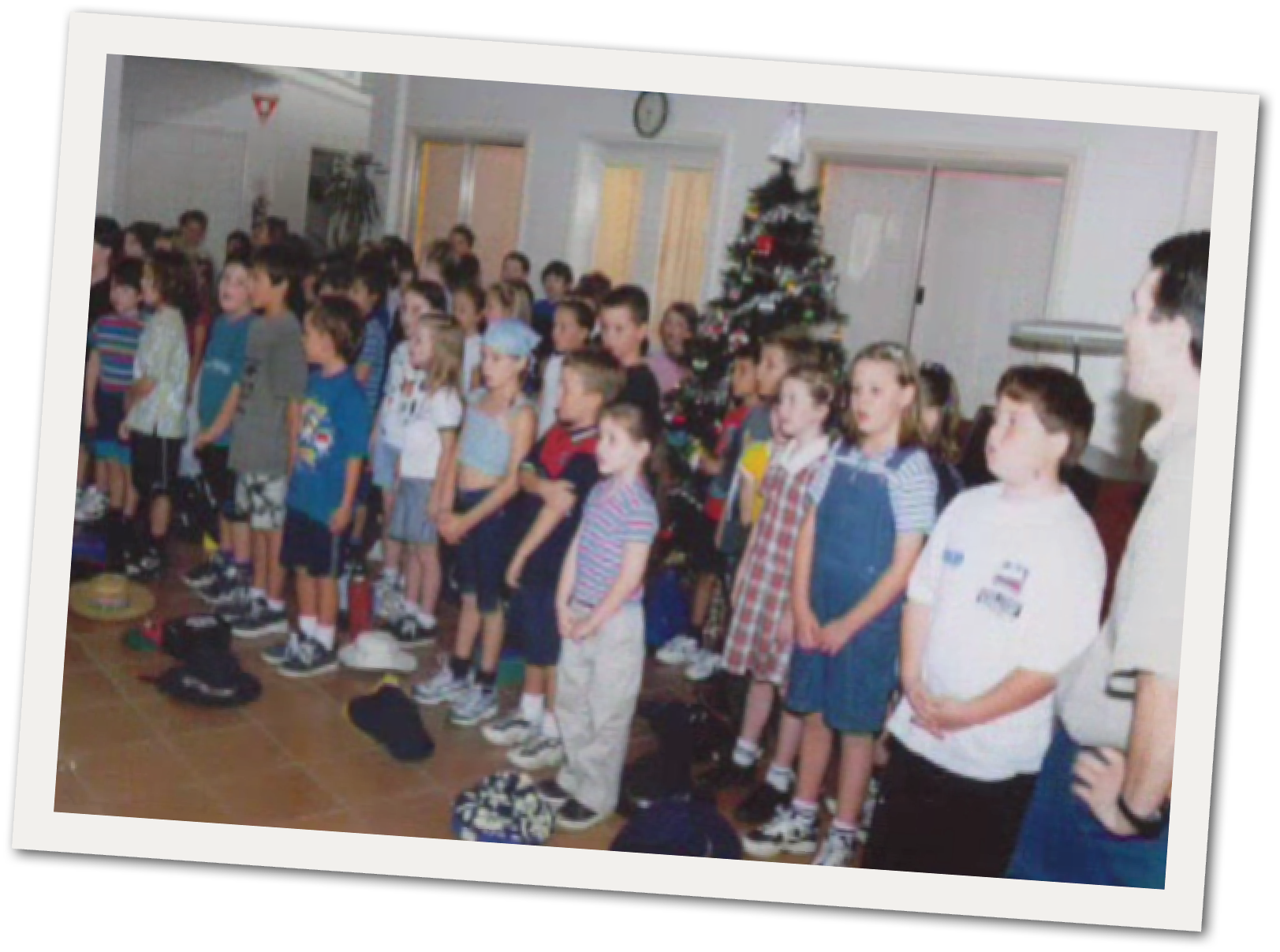
We had students coming across to interact with and entertain residents. Members of the congregation also come over to Coolibah to play cards with the residents. The pastor of the congregation took monthly services. St Andrews was the first facility to employ a chaplain, and a female at that, for the spiritual care of residents. The ideals of the interconnected community are still there.
Helen: I have to admit, when I first came to the St Andrews block of land I thought “What are they going to do with this? It’s billy goat country!” It’s amazing to see how it has developed.
From the start, God gave us the right people to make St Andrews the special place that it is. Smaller congregations could not have brought the three elements together – they just would not have the people.
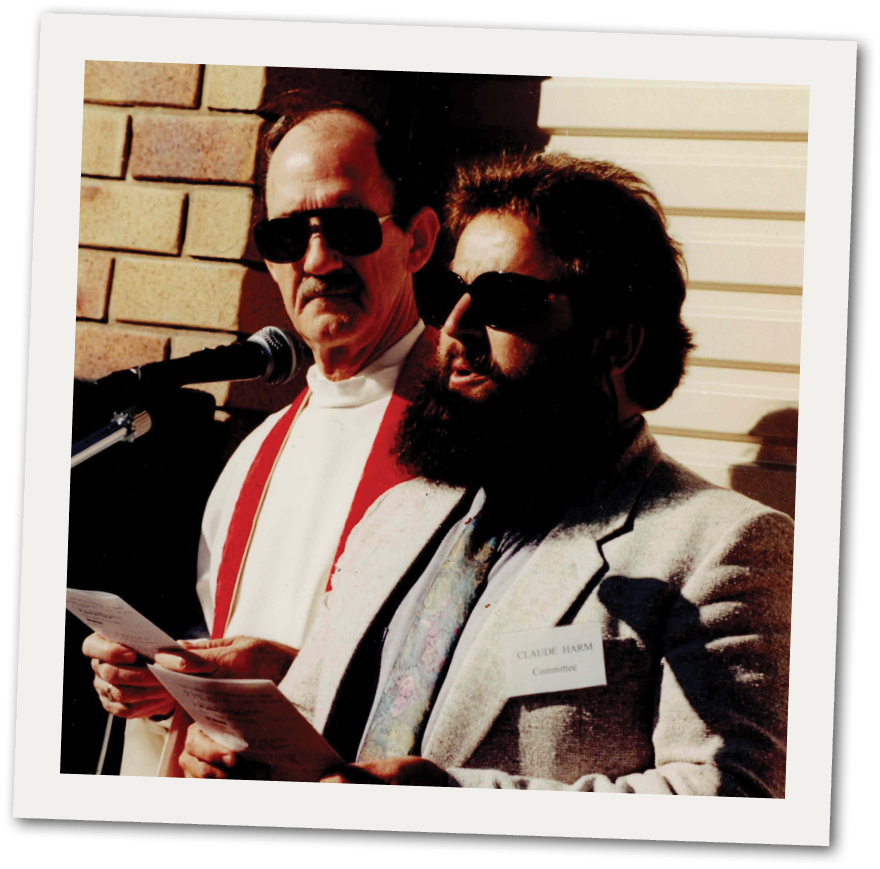
There are so many family connections at St Andrews. Freda Jeffer’s daughter Debbie and her husband, and Vicki Harm, made the stained glass in the doors at the entrance to the six houses. Freda was on the committee and is presently a resident in St Andrews. Vicki Harm was the wife of the foundation Chairman, Claude Harm, who was also a resident in St Andrews. Our son Grant built the kitchen, altar, and lectern at Coolibah. Being a tradie, he used to swear a bit – I think he’d forget that Pastor Ed Szabo was using the room next door as an office.
The resident wedding was a highlight. John and I connected with Elmore Klinge and his sister Rosa when we lived in Bundaberg. Rosa and I cleaned the silver and the plaques in the St John’s Lutheran Church and visited hospital patients and residents in the Lutheran Nursing Home John managed at the time. We had a lot of fun times together until Rosa passed away because of a stroke.
Elmore was a lost soul when his sister died and his family moved him into Roslyn Lodge, a nursing home on Mount Tambourine. We moved to Mudgeeraba shortly after Rosa died and found out where Elmore was living. We visited him regularly and when John was employed as the Manager of the St Andrews Nursing Home, Elmore expressed interest in moving and John helped him make the move.
At St Andrews, Elmore met Zena. Elmore was a bachelor and Zena a widow. They met in the dining room, formed a friendship, fell in love, and married here at St Andrews, both in their 80s. John organised for them to connect their units so they could live side by side, in adjoining rooms with a connecting door. Their story made national news – a beautiful reminder of the care and joy here.
John and I still play cards with the residents on Fridays. I always notice how lovely the staff are. They make it a home and build a sense of family. The newer team members will tell us about the service and facilities. I thank them for being helpful and advise them that John actually helped design the home! It is so good to see how proud they are of where they work.
It means a lot to share the history of St Andrews Aged Care and give it meaning. There aren’t many people still around who were part of the original committees, congregation or staff. Not many people know the story of how St Andrews came to be.
John Howard
Service Manager, St Andrews Aged Care (1994–2004)
Planning Committee Member
Helen Howard
Wife of John Howard